Your roof is one of the most important features of your home, and quality workmanship is crucial during a new roof installation to avoid problems down the road.
Knowing how to identify red flags of poor installation on a new or existing roof will help you determine which roof repairs are needed to restore your roof to optimal condition.
How to Identify Poor Workmanship
Improper nailing
Nails driven too deep: When a roofer’s nail gun is set too high, the nail head can punch through the shingle. Instead of functioning as a fastener, it creates a hole.
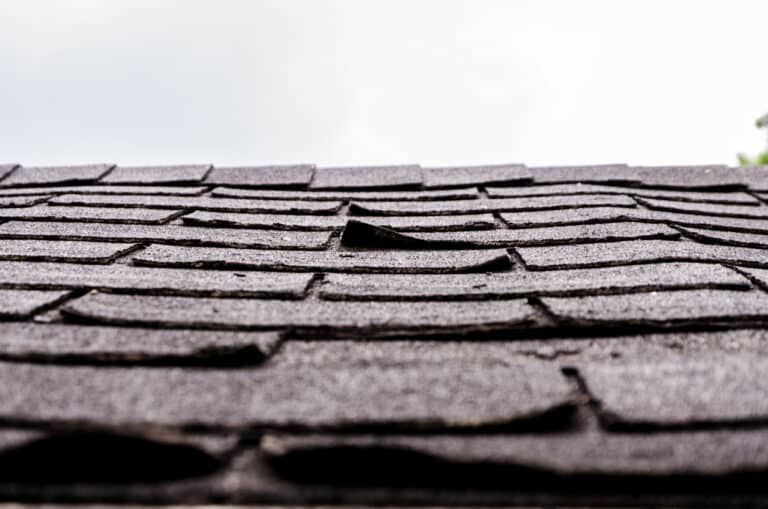
Under-driven nails: If the nail head sticks up, similar to a nail pop, it will eventually poke through the shingle above, causing a small leak.
Nails too high: Nails should be placed in the reinforced nail zone of your shingle. If the nails are too high, the shingle isn’t secured properly and can slip off during a storm.
Flashing failures
Flashing is the metal installed around your chimneys, vents, and where your roof meets walls. Its main goal is to keep your roof water-tight.
Reusing old flashing: Old, rusted, or bent flashing should never be reused on a new roof. New flashing should always be installed with a new roof.
Improper step flashing installation: On walls, flashing should be layered or stepped between each shingle. Using a single long piece of metal could lead to water leaks over time.
Missing counter-flashing: When installing flashing around chimneys, the metal should be tucked into the mortar joints. If caulking is the only method used to seal these areas, the seal will fail within a year, causing leaks.
Missing drip edge or underlayment
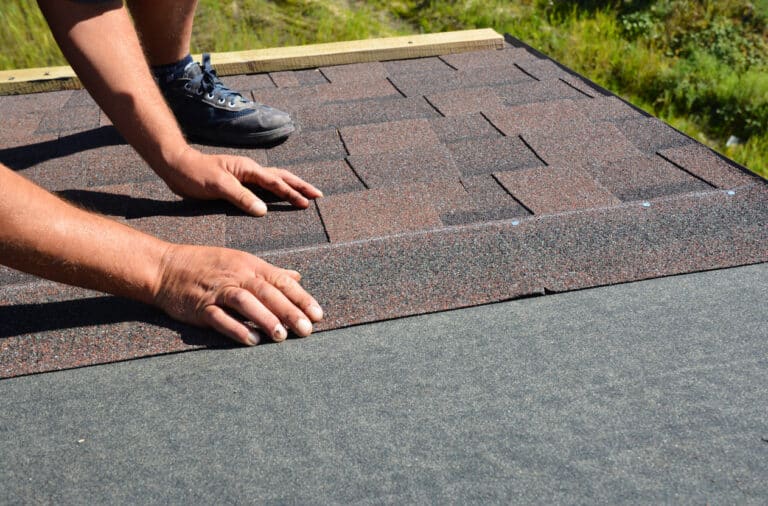
The underlayment of your roof should never be visible.
Drip edge: A drip edge is a metal strip that is “L” shaped and runs along the edges of your roof. Its main purpose is to direct water away from the fascia boards. If this is missing, your wooden eaves will start rotting in just a few seasons.
Starter shingles: A good roofer will use a special starter strip of shingles at the eaves for wind resistance. If your installer is cutting corners, they might use regular shingles turned upside down. This is not a practice that you want for optimum wind resistance.
Poor alignment or telegraphing
If you step back and look at your roof from the ground, you should see even, uniform lines.
Wavy lines: If your shingles look crooked or uneven in a stair-step pattern, it probably means a chalk line wasn’t used during installation to make sure the shingles interlock properly and line up straight.
Telegraphing: A clear sign that your roof wasn’t properly prepared before installation is when you see bumps from old shingles or uneven plywood showing through the new roof.
When to call a professional
If you suspect your current installer did an improper roof job, contact a reputable company for a roof inspection to find any issues needing attention.
Things to look for:
- Shingles in your yard after a major storm.
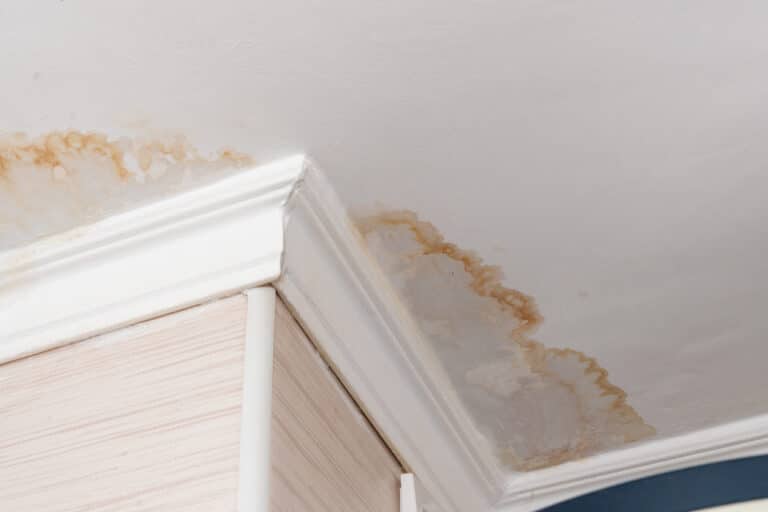
- Water stains in your attic, around a chimney, or in a valley.
- An uneven, or bumpy-looking roof.
- The contractor refuses to provide a written workmanship warranty.
Always take photos of your roof before moving on to the next step to properly document the poor workmanship. This helps protect you and provides evidence for any recourse regarding the poor installation.
Southern National Roofing is your premier roofing company in the Southeast and Mid-Atlantic. We deliver top-quality workmanship and offer free roof inspections to help you with difficult issues.