The condition of your roof has a lot to do with your property’s curb appeal, but what happens when you notice dark streaks on your roof?
Dark Streaks on Roof – What Are They?
Black streaks on a roof are caused by a very hardy type of blue-green algae called Gloeocapsa magna, not dirt.
Spores of this type of algae are carried by the wind, and when they land on a roof, damp areas such as slopes or areas shaded by trees allow them to adhere and establish algae colonies.
What Causes the Dark Streaks?
Roof algae is blue-green in color but has a dark outer sheath that protects it from harsh UV radiation. This dark outer coating is what creates the black or gray stains on your roof.
As rainwater hits the spores, it causes the colonies to streak downward in the direction the water runs off your roof, creating the streaks.
What The Algae Feeds On
Typical asphalt shingles contain finely ground limestone as a filler, which serves as a food source for algae.
Because algae feeds on the minerals in your shingles, asphalt shingle roofs are more prone to streaking than metal or tile roofs.
Does Algae Damage Your Shingles?
In the short term, the worst part of algae growth is cosmetic, but over time it can cause minor issues with your roof’s performance.
Excess heat absorption: Because roof algae is dark, it absorbs more heat from the sun, which can increase your attic temperature, make your HVAC unit work harder, and raise utility bills.
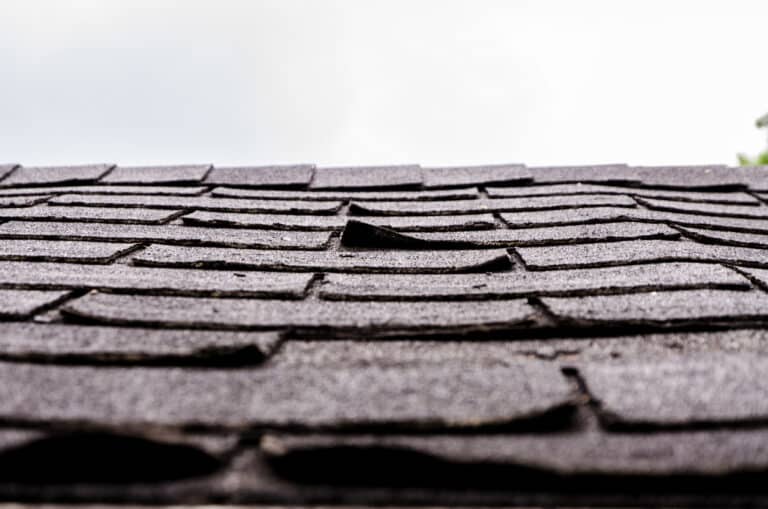
Wear and tear: Algae colonies trap moisture against your shingles’ surface. This excess moisture can gradually loosen the protective granules on your shingles, shortening your roof’s lifespan.
What Not to Do During Cleanup
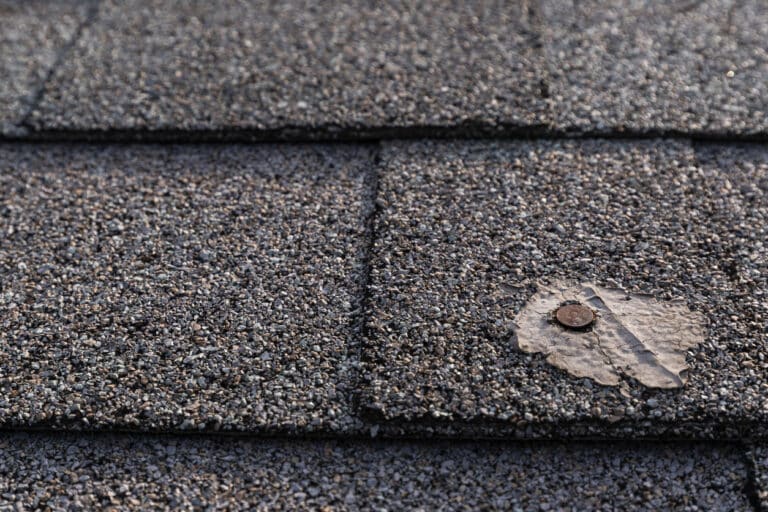
Never aggressively power wash your roof if it has algae growth. Power washing a shingle roof can cause problems because the high-pressure water stream blasts away the protective granules on your shingles, effectively damaging them and shortening your roof’s lifespan.
The Best Way to Handle Algae Growth
The smartest way to address these unwanted dark stains is to contact a roofing professional for a full roof inspection.
They will assess the extent of the algae growth and any potential damage, then take steps to restore your roof’s natural luster.
Cleaning: A professional roofing company like Southern National Roofing will typically clean your roof with a specialized soft-wash solution that kills algae at the cellular level and rinses away residue without causing further issues.
Prevention: If you live in a wet, humid climate prone to algae growth, you can take steps to prevent future growth.
Options include installing zinc or copper strips near your roof ridge to prevent further growth, or applying chemical treatments after a soft-wash to create a barrier.
Stay safe by leaving the difficult job of removing algae from your roof to a professional company with the tools to remove those unwanted streaks and prevent further growth.