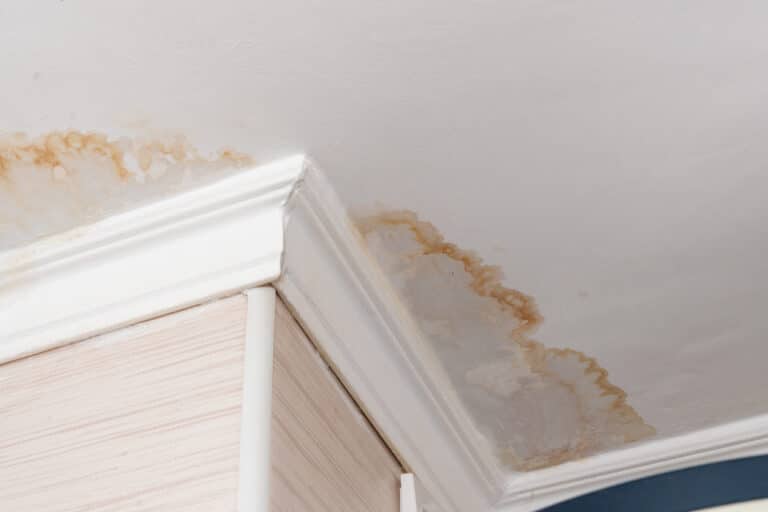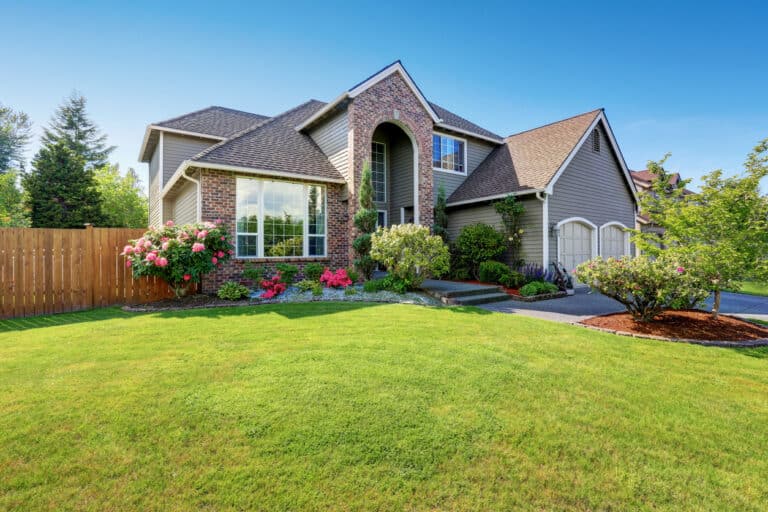
Tornadoes, hurricanes, and harsh weather all require some thought when designing your roof and the materials that cover it.
If you live in a storm-prone area, your choices should prioritize durability, wind resistance, and proper installation for extreme weather conditions.
The best roofing for durability by type:
Roofing materials
Metal roofing: If you are considering roofing for high wind areas, standing seam metal roofs are one good choice. They feature an interlocking design that eliminates exposed fasteners and minimizes the uplift effect from extreme wind.
Metal also offers other styles like corrugated and tile-look options.
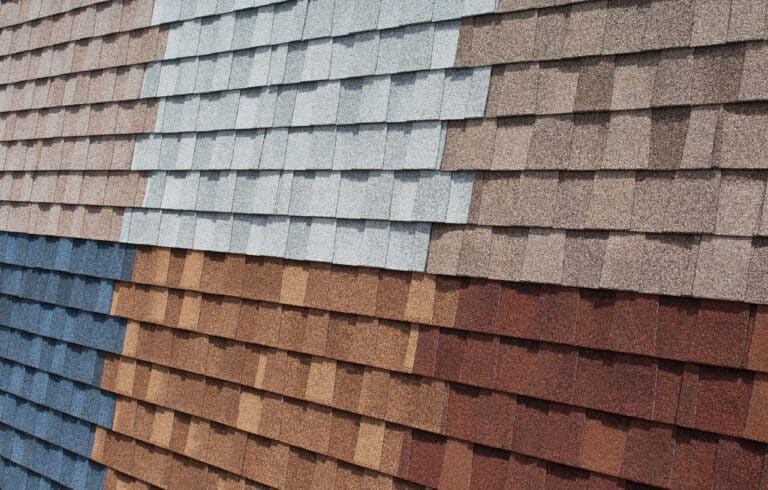
Architectural shingles: When comparing this type of shingle to the standard asphalt shingle, it offers improved wind resistance. This option is still cost-effective but performs better than asphalt against the wind.
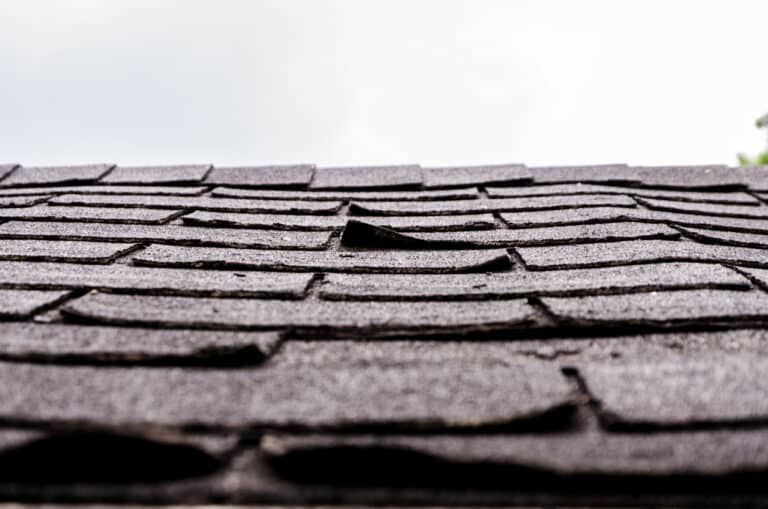
Asphalt shingles: When deciding on a regular asphalt vs. metal roof for a home in a storm-prone area, metal and architectural shingles will last longer. The standard asphalt shingle, while cost-effective, is going to be the least durable under extreme weather conditions.
Concrete and clay tiles: Roofing for high wind areas means you should be looking for materials with weight, like clay, slate, and concrete tiles. This is also the best roofing for durability because of its interlocking nature and longevity.
Roof fasteners
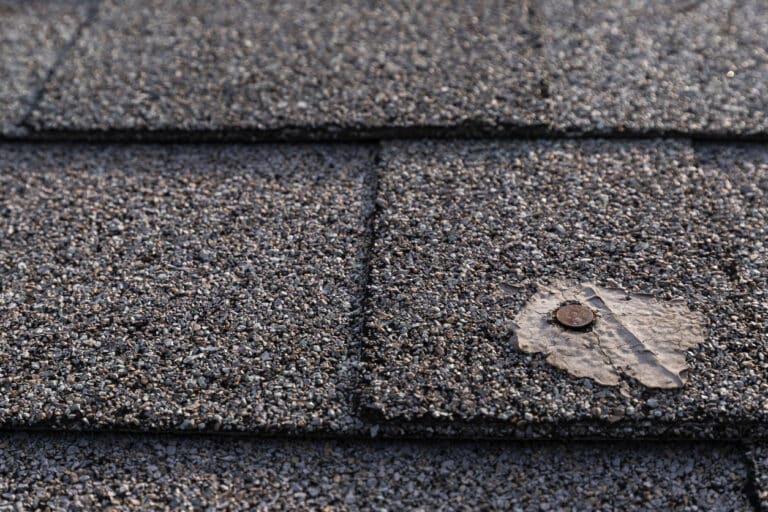
Ring-shank nails offer a better grip than regular smooth nails for high-wind areas with extreme storms.
Hurricane straps/clips: These have become the norm, especially in areas prone to hurricanes and strong winds, because they use metal connectors to tie the roof to the walls, creating a strong structure that prevents the wind from lifting your roof off.
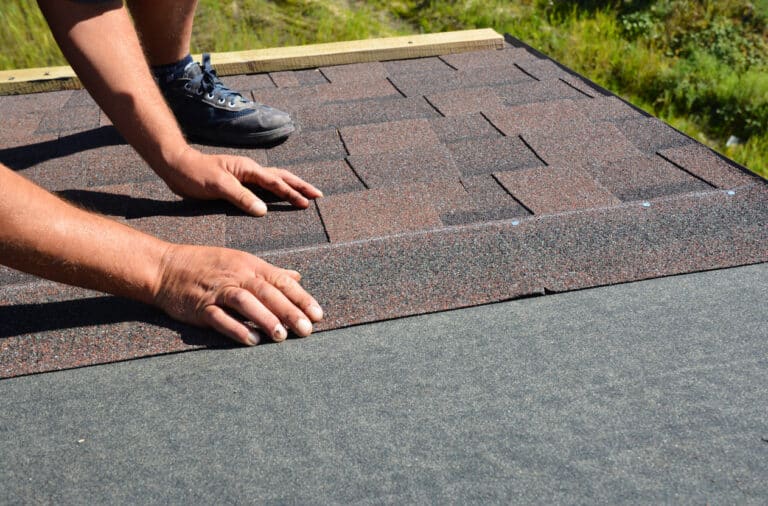
Nailing patterns: The proper nailing pattern is crucial for securing the material to the base of your roof. Local building codes and your roofing material’s manufacturer specify guidelines that should be followed for secure attachment.
Double nailing: This process uses two nails at key points on shingles to create a stronger bond.
Roof construction
Hip roof: Its pyramid shape allows it to perform better in high winds due to its aerodynamic design.
Roof pitch: A 30-degree roof pitch can deflect wind and reduce the pressure of roof uplift.
Roof deck: The main decking of your roof should be made of plywood or OSB to provide the needed support for attaching the fasteners for your roofing material.
Underlayment: Underlayment provides additional protection between your roof deck and your roofing materials. Choosing a heavy-duty type best suited for storm-prone coastal areas will provide extra protection.
A few other things to consider
Extreme weather areas also mean flying objects. Your roof should be made of Impact-resistant materials. Many options exist, including stone-coated metal roofing.
Local building codes are also a good resource for best practices in your area. They offer advice on installation techniques and materials for your specific weather zone.
Finally, professional installation is a must. Partner with a roofing specialist, like Southern National Roofing, who has experience dealing with severe weather climates.