Installing new windows in your home influences more than just your windows; it can also affect your roofing, flashing, and attic ventilation.
Understanding how they all work together can help you plan the right services along with your window replacement.
The Relationship Between Flashing, Roofing and New Windows
Your ultimate goal should be to prioritize water management and ensure a tight seal when replacing or installing new windows.
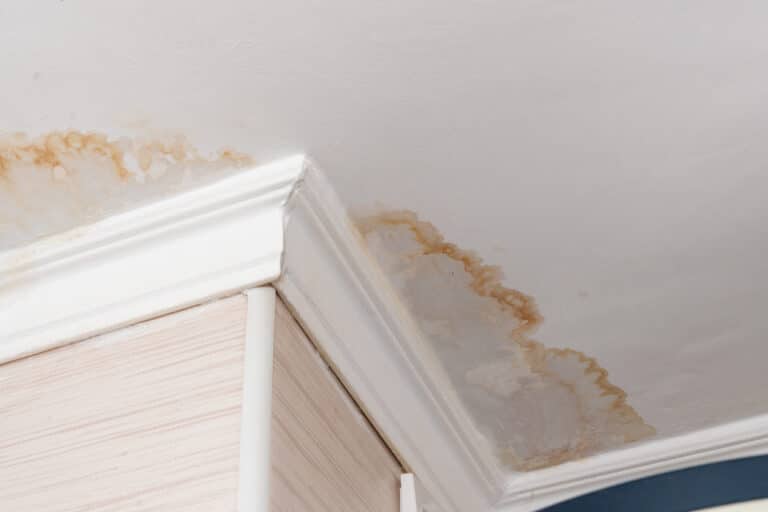
Improper window flashing is the leading cause of water damage in a home. This also affects your roof system, especially near skylights, dormers, and windows that are close to the roofline.
Flashing
It is metal or other waterproof material that is installed around your window frames to channel water away from the window opening and the wall cavity.
The idea is that each layer of material overlaps the one below it to ensure water is directed downward and out.
Improper overlaps can allow water to enter the wall cavity and wick toward the roof, causing leaks that appear to come from the roof but are actually due to incorrect flashing installation.
The intersection between the roof and walls
Installing new windows in a dormer or where a wall meets the roof requires special attention.
The window installer must make sure that the window flashing, the house vapor barrier, and the kick-out flashing, a specific piece of metal flashing at the eave, are properly integrated to provide a tight seal.
Any break in this 3-prong system can cause leaks and water damage to the roof decking and framing.
Other complications can occur if your installer is working near your roof edge, as they might damage shingles or penetrate the roof decking, leading to potential leaks.
Attic ventilation
Window replacement can impact your attic ventilation, especially at a gable-end window or when swapping a gable vent for a stationary window.
Attics rely on airflow from soffit vents, ridge vents, and gable vents to remove heat in summer and control moisture. They also keep the attic cold in winter to prevent early snowmelt that could cause ice dams.
If you replace any of the vents in your attic with non-operating windows, you have inadvertently disrupted the airflow in your attic.
To remedy this, you need some form of compensation, such as adding other vents or a mechanical ventilation system, to maintain proper airflow.
How to Protect Your Home When Installing New Windows
As we have discussed, replacing windows can cause additional issues with your attic and roofing systems.
That’s why hiring a qualified installer and getting a roof inspection can help prevent potential damage and leaks.
This can tie in with your regular roof maintenance and roof repairs, so you can rest assured that your window installation didn’t compromise other aspects of your home.
Key reasons why skipping a roof inspection during window replacement is a bad idea:
- If your window installer only focuses on window flashing and not the adjacent step or kick-out flashing, leaks can occur.
- Structural damage under the roofline. Water from an old, leaking window can run down the wall and damage the plywood framing. This may also damage the roof deck, meaning that a new window is attached to a rotted or compromised structure underneath.
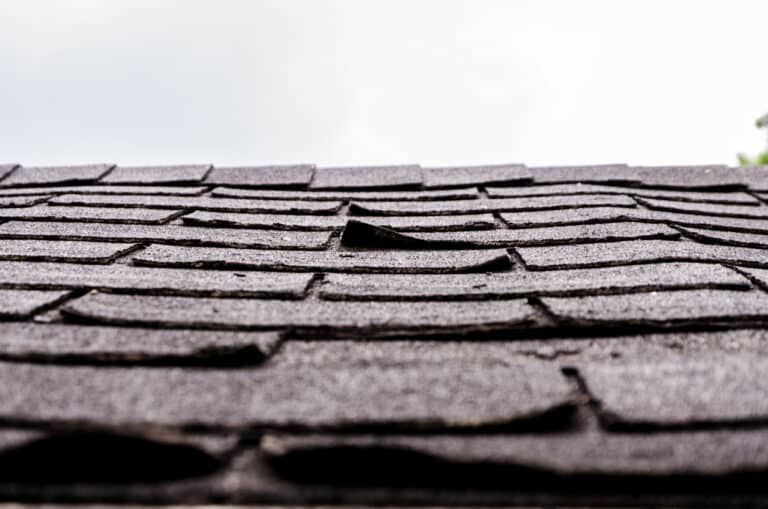
- Installers could damage or dislodge shingles or puncture roofing material.
By scheduling an inspection along with your window replacement, you can prevent costly water damage and mold.
It’s like an insurance policy because it may reveal old water damage, structural issues, or leaks that need to be addressed before your new windows are installed.