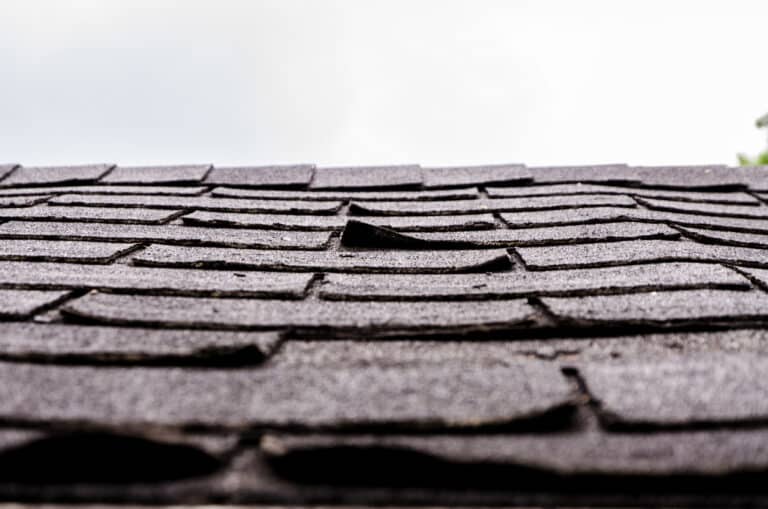
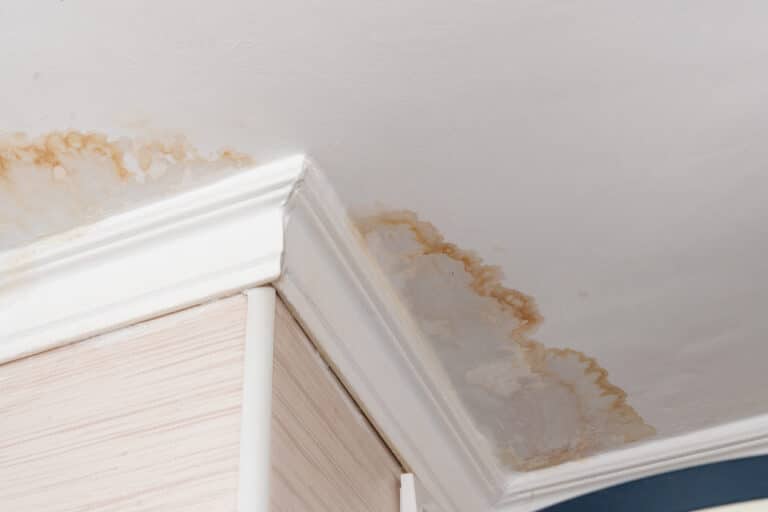
Everyone can benefit from ice and water shield, no matter the climate.
From the heavy rains typical of the Southeast to the icy conditions of the North, Ice and Water Shield effectively protects your roof from severe weather.
What is Ice and Water Shield?
Ice and Water Shield is a specific type of waterproof underlayment that is designed to protect your roof from water infiltration caused by ice dams and wind-driven rain.
It is especially effective at protecting vulnerable areas of your roof, including valleys, eaves, penetrations such as vents and chimneys, and roof-to-wall intersections.
How is it Different From Normal Roof Underlayment?
Standard felt paper or synthetic underlayment is usually breathable and designed to shed water temporarily.
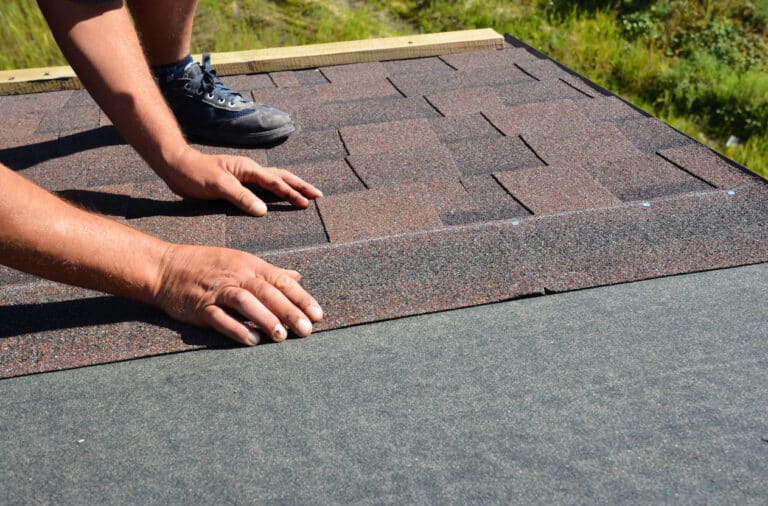
Ice and Water Shield is a self-adhering rubberized asphalt roof waterproofing membrane.
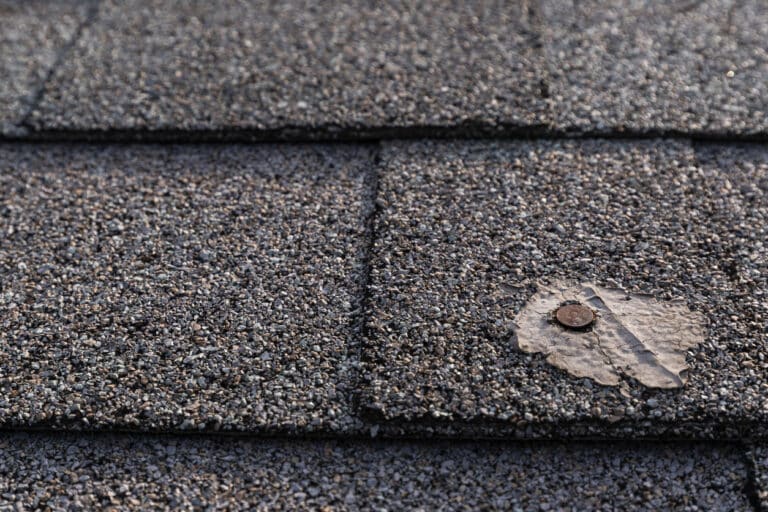
What makes it far superior for waterproofing is that when you drive a nail through it, the rubberized material seals tightly around the nail shank to prevent leaks.
Where is it Normally Installed?
Because it’s completely waterproof, it’s typically installed only in high-risk areas of your roof, not across the entire roof.
The high-risk zones:
Eaves and overhangs: These are the primary areas where ice dams form.
Ice dams are created when heat from the attic melts snow on the upper roof, causing it to run down and refreeze at the colder eaves. The resulting ice wall traps additional water, forcing it upward underneath standard shingles.
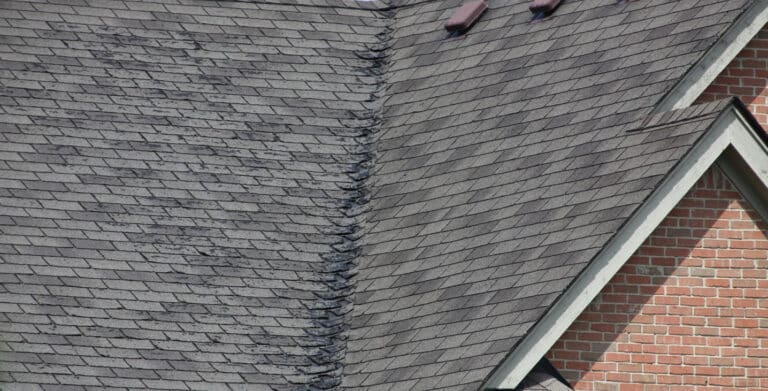
Valleys: The V-shaped junctions where two roof planes meet. These areas handle large volumes of water during heavy rain and snowmelt.
Roof penetrations: These are the areas where chimneys, skylights, plumbing vents, and roof dormers are located. These areas are also most prone to leaks.
Low-slope roofs: Roofs with a very low pitch, where water drains slowly and strong winds can drive it upward under shingles, benefit from Ice and Water Shield.
The Key Benefits of Ice and Water Shield
- Self-sealing: This adhesive asphalt compound flows around roofing nails and screws, creating a watertight seal.
- Complete adhesion: This unique material adheres directly to the roof deck, so water cannot penetrate beneath the membrane if wind rips off shingles in a severe storm.
- Thermal stability: This material withstands extreme temperatures without cracking in winter or melting and sliding off in intense summer heat.
Building codes in most cold-weather climates, such as Pennsylvania and other northern states, now require Ice and Water Shield within a specific distance of the eaves on the roof deck.
Typically, it is installed from the edge and extends at least 24 inches past the interior warm wall of your house.
Whether you are in the market for a roof replacement or need repairs, Ice and Water Shield is a great way to protect the vulnerable areas of your roof.
Southern National Roofing is your leading expert for all your roof care needs. Whether it’s our free inspections, routine maintenance, or a full roof replacement, we’ve got you covered.