You aren’t completely at the mercy of a severe storm. There are measures you can take to reduce damage and the need for roof repairs before severe weather strikes.
Storm Prep Guidelines
There are two ways to prep your roof for storm season: seasonal prep and immediate prep if a storm is expected within 1-2 days.
Emergency roof prep should include:
- Clear all drainage paths.
- Make sure your gutters are clean to prevent water from overflowing due to blockages.
- Secure all loose objects that could become projectiles, like furniture, grills, trash cans, plants, and tree branches, that could cause damage in high winds.
- Check to make sure solar panels, dishes, and other equipment on your roof are secure.
- Take clear, time-stamped photos of your home, roof, and landscaping before a storm hits as a point of reference if you do sustain damage.
Seasonal prep work:
- Trees cause the most roof damage, so be sure to trim all branches that hang within six feet of your roof.
- Remove dead branches that are higher up that could snap in high winds and create projectiles that can puncture your roof.
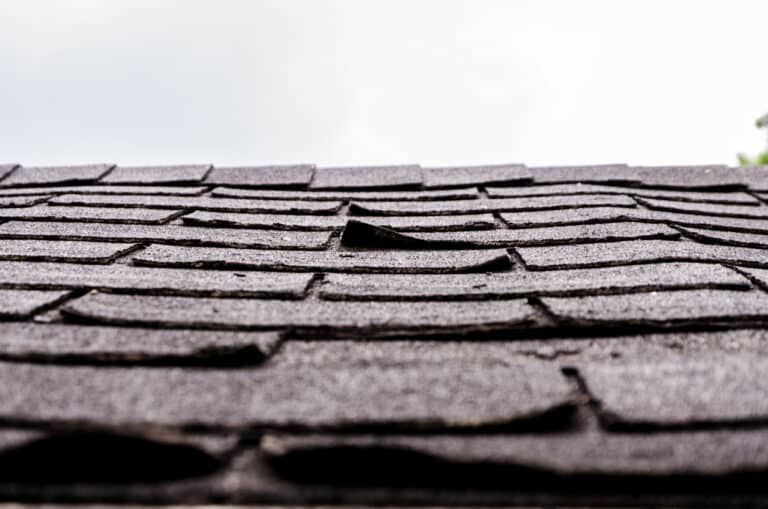
- Check your shingles for signs of curling or lifting, which could be ripped off during high winds. A roofing contractor can quickly cement these down to reseal them, making them storm-resistant again.
- Make sure all drip edges and fascia are securely fastened.
- Check your attic to be sure all soffit and gable vents are secure.
Safety Considerations
Always use common sense when dealing with a fast-approaching storm. Don’t climb ladders or try to get onto your roof if strong winds or gusts have already begun.
If you are experiencing leaks, manage them from the inside until it is safe to attend to your roof maintenance and repair tasks. Don’t try to get onto a wet roof because it’s very slippery.
Post Storm Checklist
If you have weathered a severe storm, a regular roof inspection by a trusted contractor is the safest way to proceed.
1. Start by doing a ground inspection of your yard and landscaping.
Are there shingle debris, granules that flooded out of your downspouts from shedding, heavy branches, or hail dents in outdoor metal? These can be easy ways to see the type of damage that may have been done to your roof.
2. Next, use binoculars to inspect your roof from all angles. Damage like missing shingles or lifting may be easy to see.
3. Inspect all your gutters for dents or any detachments.
4. Check fascia, flashing, and soffits to see if they remain intact.
5. Do a thorough interior inspection, starting with your attic, to look for any wet areas or wet insulation.
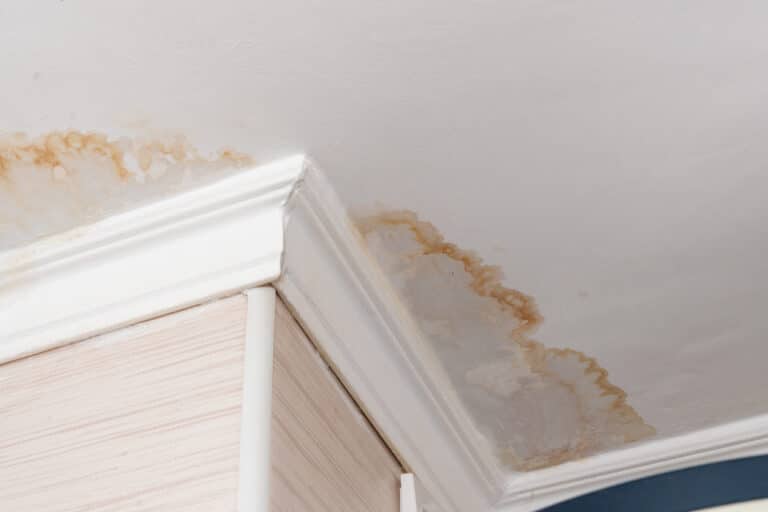
6. Check your home’s interior spaces for leaks in corners, walls, ceilings, or light fixtures and all windows.
*If you find any damage, be sure to take photos and videos for insurance purposes.
Professional Roof Inspection
To get the most comprehensive post-storm roof evaluation, taking advantage of Southern National Roofing’s free inspection service is the best way to have a complete picture of any storm damage.
It is a safer way to thoroughly inspect your roof, gutters, and attic to determine whether repairs are needed.
If the inspection shows roof damage, to ensure your home’s safety, acting promptly is the best way to delay or avoid a complete roof replacement.
Taking proactive steps before and after a storm is your best defense against harsh weather. Southern National Roofing is here to assist you with all your roofing needs.