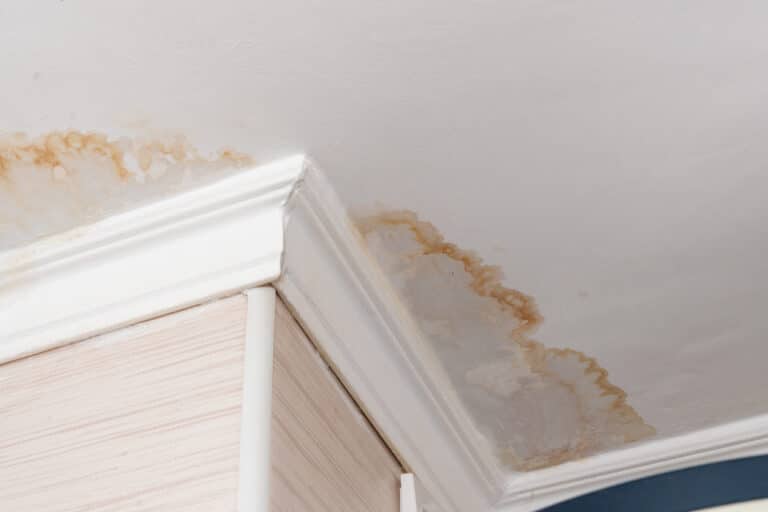
It is easy to dismiss a small leak as just a nuisance. But in truth, it is the difference between a minor repair and a costly, major structural issue that will need to be addressed later if left unattended.
What is a Small Leak?
Water travels. If you see water stains on your ceiling, it’s rarely where the water is coming in. By the time a leak is visible on your walls or ceiling, it has already caused a few harmful effects such as:
- It has saturated your attic insulation, reducing its R-value and effectiveness.
- It has traveled along the wooden parts of your attic, such as your rafters and decking, damaging your home’s structural supports.
- A small leak can rot your home’s structural components.
What is the Cost of Ignoring Those Small Roof Leaks?
It is easy to dismiss a small leak after a major storm as something harmless that only happens during heavy storms.
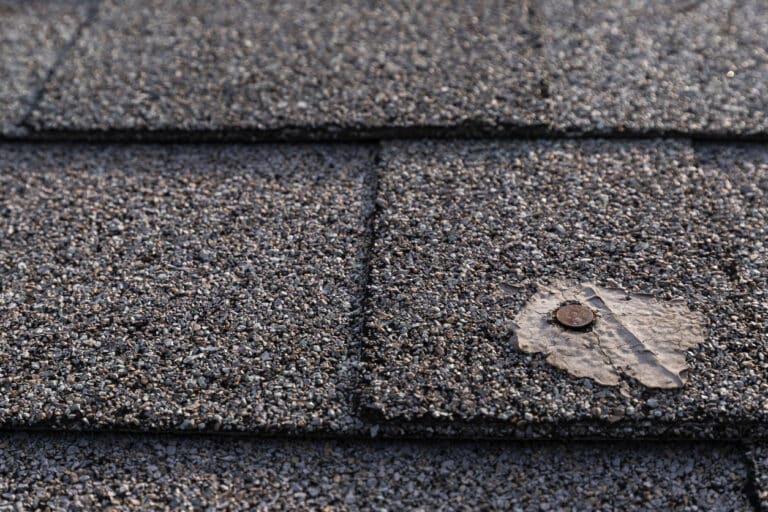
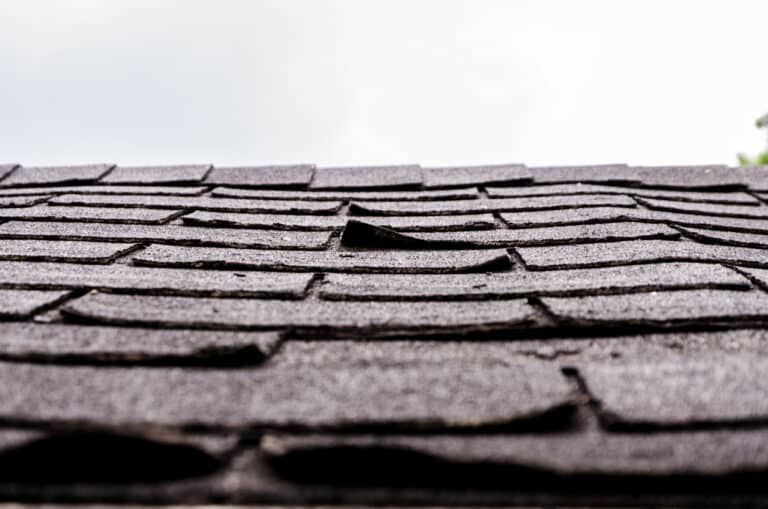
But in reality, small roof leaks should never be ignored because they can begin to destroy your home’s structural supports, eventually leading to expensive repairs, roof failure, and damage to your home’s interior.
Thermal expansion: Living in the South means temperatures fluctuate. The expansion and contraction of your roof will cause tiny cracks to grow into bigger ones.
Big storms: A small leak will worsen during the next big storm, letting in water that can cause catastrophic interior damage.
Why Urgency Matters
Any kind of moisture eventually causes long-term damage. There is no avoiding it. The most important reasons to address a small leak when it happens are:
Mold: Mold can begin growing within 24-48 hours after water enters a material. Once mold growth begins in your attic or drywall, you are no longer just dealing with a minor roof repair; you are also facing expensive mold remediation.
Insulation: Fiberglass insulation is designed to trap air. When it gets wet, it clumps, losing its ability to insulate your home.
Wet insulation acts like a sponge, holding water against your roof decking and your home’s ceiling for days after a heavy rain, further damaging materials.
Structural integrity: Wood rot builds over time. Once the wood decking under your shingles becomes soft, it can no longer handle the weight of your roofing materials or foot traffic.
What started as a simple $250 flashing repair job can quickly turn into a $3,000-plus decking and shingle replacement project.
Proactive Maintenance Tips
1. Annual inspections by a reputable contractor such as Southern National Roofing will identify any weaknesses that can be addressed immediately.
2. Attic inspection: As part of a thorough inspection, your attic should be checked for dark spots, dampness, or light entering through your roof deck, which may indicate potential problems.
In short, a roof leak never resolves itself; it only gets worse. As part of a good home maintenance routine, schedule a free annual inspection with Southern National Roofing to keep your home safe and watertight.