Your gutters are crucial for maintaining the health of your entire roofing system. They direct water away from your home’s foundation and prevent harmful water backup onto your roof.
Understanding how to assess the health of your gutters and recognize the signs of gutter failure will help safeguard your roof, allowing for quick repairs or scheduling new gutter installation.
5 Signs Your Gutters are Failing
- Water overflow: If you see water pouring over the sides of your gutters, resembling a waterfall, this is a sign of gutter failure. They could be filled with debris or improperly sloped, eliminating the gutter’s ability to drain.
- Sagging, pulling away from the house, or improper pitch: Gutters should be attached to your facer board and run in a straight line. If you see sagging, bowing, or pulling, the fasteners are failing.
- Cracks, holes, and rust: Signs of gutter damage allow water to leak onto your foundation and siding, leading to structural damage. Rusting metal gutters indicate that the material is failing, which can lead to breakage and leaks.
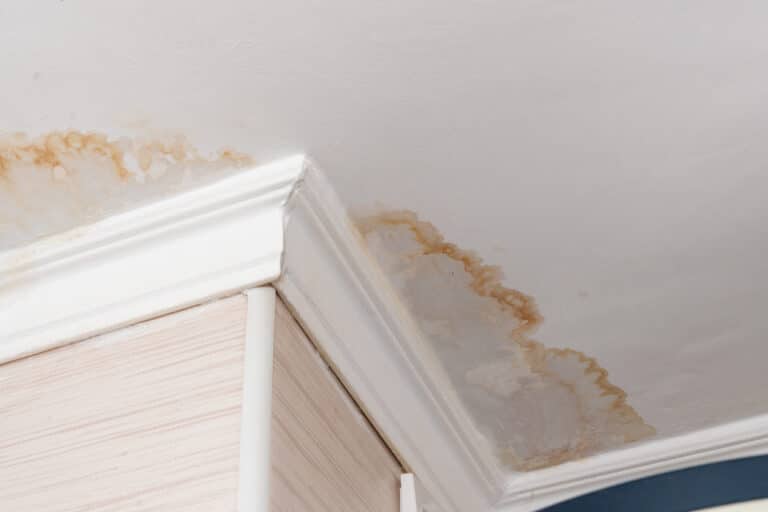
- Signs of water damage: Failing gutters allow water to flow where it shouldn’t, causing interior issues such as water stains, peeling paint, mildew, and soil erosion. You may also deal with basement leaks or cracks in your foundation.
- Debris on the ground: If you notice fasteners, nails, screws, or other gutter hangers around your gutters, it clearly indicates that your gutters are failing and pulling away from your home.
How Gutter Failure Leads to Roof Damage
Understanding how the failure of one system can lead to roof damage and necessitate roof replacement, let’s examine how it all connects.
Gutter overflow: When water runs over your gutters, in addition to pooling around your foundation, it also backs up behind your gutters and onto your entire roofing structure.
The result: Fascia boards and soffits, made of wood, begin to rot, compromising structural integrity. Seeping under the first layer of asphalt shingles can cause the roof decking to become soaked, leading to water stains, wood rot, and interior leaks.
Clogged gutters and ice dams: Clogged gutters allow water to sit, forming ice dams during cold weather. When water can’t drain, it pools at the roof edge and then freezes.
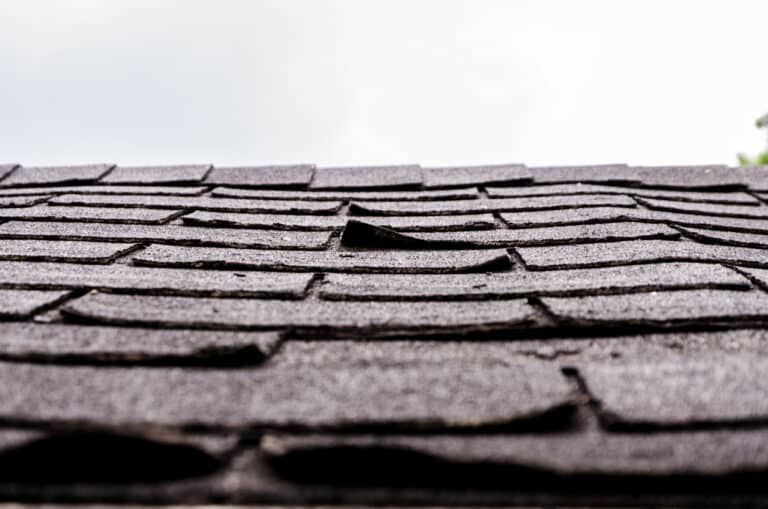
The result: Ice dams force melting water to back up and work its way under your shingles. This creates shingle damage, lifting, waterlogged underlayment, and major leaks in the attic, walls, and ceilings.
Sagging and pulling away from facer boards: Gutters filled with debris that hold water create undue pressure on the fasteners that hold your gutters to the facer boards.
The result: Fascia boards can begin to pull away from the house or split, causing damage to the roofing system and shingles.
Cracks, holes, and rust: Small holes that drip water in the same place over and over again, saturate the wood, and create instability.
The result: Wood decay, wood rot, and erosion of your shingles’ protective coating, all of which shorten your shingles’ lifespan, necessitating roof repairs or replacement.
Next Steps
Southern National Roofing provides free inspections, making it a good starting point if you notice gutter issues or signs that you need a new roof, such as leaks, water damage, or missing shingles.
Our professionals will conduct a thorough examination of your gutters, roof, and attic to determine the extent of the damage and the necessary repairs, or if a roof replacement is required.
Our guidance provides reliable next steps to ensure your entire roofing system is in good working order. Schedule today!