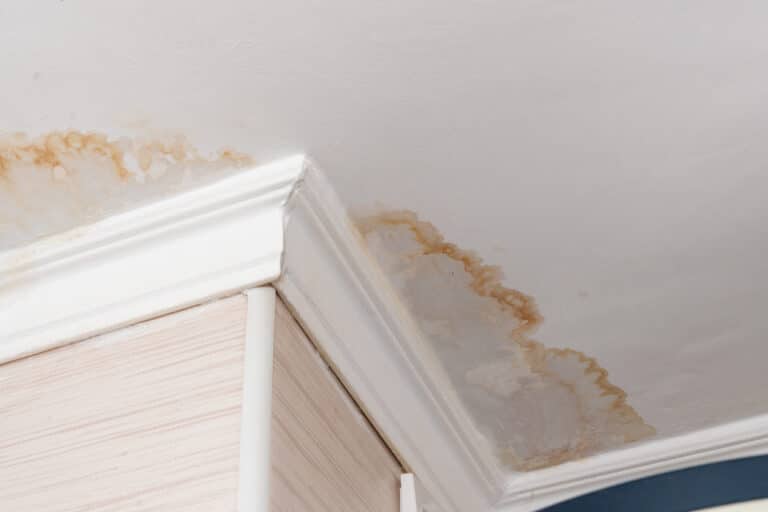
As your roof ages, materials such as your roof shingles will degrade over time. Keeping your home watertight means recognizing the early warning signs of trouble.
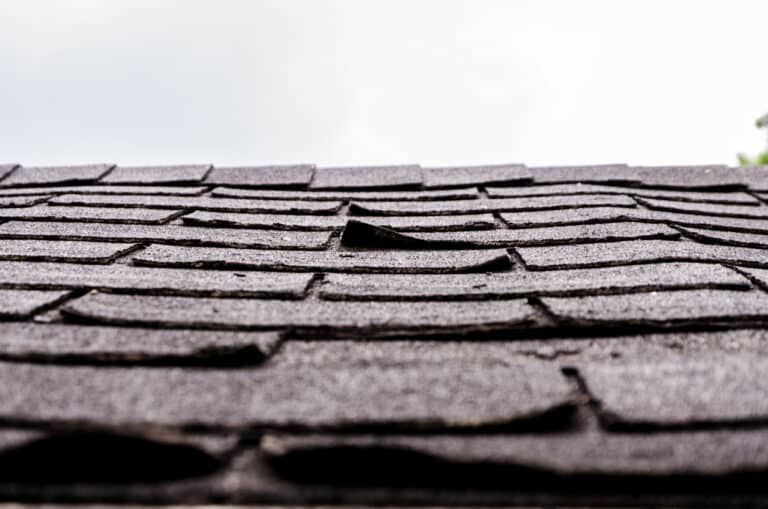
If you start to notice cracking, curling, or missing shingles, it’s time to look at your entire roofing system for failure.
Understanding why materials wear out will help you prolong your roof’s life and know when roof repair is necessary.
Age of your Roof
Everything has a life expectancy, and your roofing shingles are no exception. As shingles age, the asphalt and oils that keep them flexible begin to dry out. This process is called volatilization.
Shingles become dry and brittle with age, which affects their ability to withstand the constant expansion and contraction caused by weather conditions.
As your shingles lose elasticity, they can easily break, crack, and eventually fall off your roof.
Extreme weather cycles
If you live in an area with harsh weather, it is important to understand that your roof bears the brunt.
Intense heat and prolonged UV exposure accelerate drying, causing shingles to curl at the edges as they lose their natural oils.
High winds can lift the edges of your shingles, breaking the adhesive bond that holds them flat. Once the seal is broken, wind can easily blow underneath your shingles, tearing them off during storms.
Hail is another aging culprit because it can bruise your shingles, weakening their bond and leading to premature aging and cracking.
Poor ventilation
Poor attic ventilation is commonly overlooked as a cause of premature aging of your roof.
Allowing your roofing system to breathe is essential to your roof’s health. Heat can become trapped, causing the temperature in your attic to skyrocket and effectively cooking your shingles from the underside.
Overheating can also cause blistering, cracking, and curling long before your warranty expires. Proper ventilation is the only way to prevent the effects of extreme overheating.
Faulty installation of materials
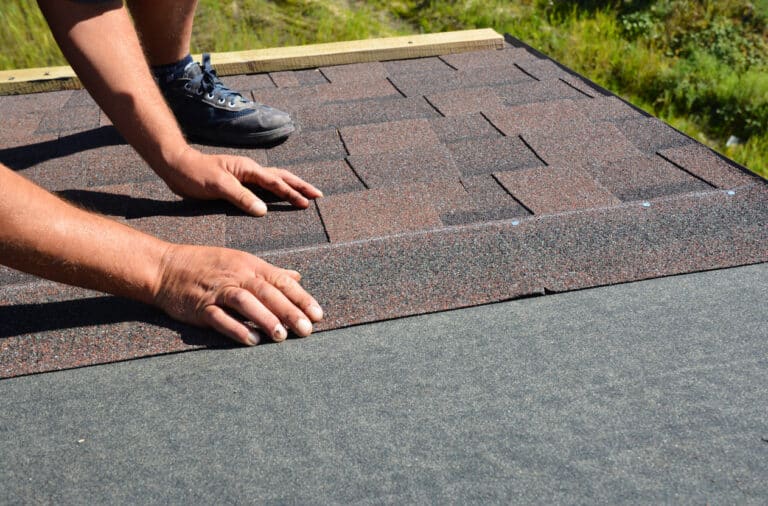
You can order the highest-quality materials, but if they aren’t properly installed, failure is inevitable.
Here are the biggest signs of faulty installation:
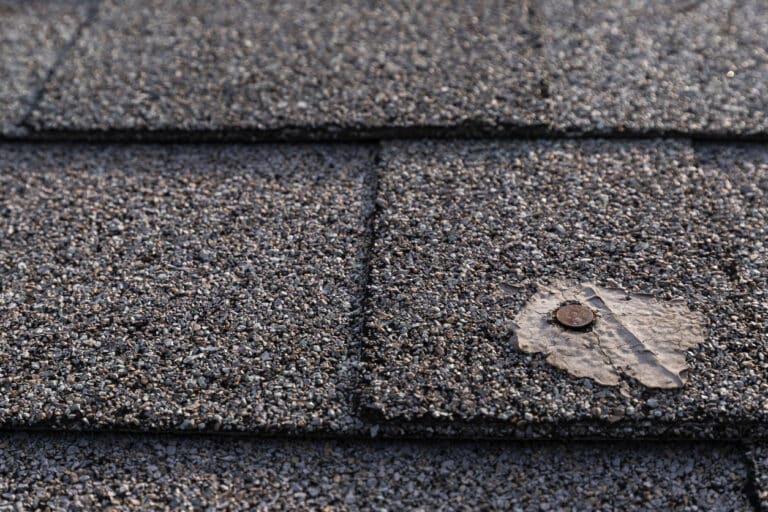
- Improper nailing: If nails are driven too deep, they can cut through the shingles. Conversely, if they aren’t driven deep enough, they won’t hold your roof shingles in place against extreme weather.
- Inadequate fastening: If shingles are fastened with too few nails, this can also cause lifting during high winds.
- Improper overlapping of shingles: A shingle roof is designed to have overlap in a specific pattern to shed water effectively. If this pattern is ignored or not followed properly, water can back up under your shingles, causing the roof deck to rot and destabilizing the shingles.
Southern National Roofing advises that if you notice signs of wear or missing shingles, you should act immediately.
We offer free inspections and often provide same-day service to assess your roof’s condition and recommend the necessary repairs.
Schedule a free roof inspection to assess the damage and help with planning your repairs before widespread damage occurs.