Your climate greatly influences roof maintenance year-round. If you live in a climate like Columbia, SC, which experiences high heat, humidity, and frequent storms, here’s what you need to know to keep your roof in good shape.
Columbia’s Climate Factors and What They Mean for Your Roof
High-intensity UV rays, stifling humidity, and volatile afternoon thunderstorms can age your roof twice as fast as in a milder climate.
UV Rays
The intense summer sun in Colombia is actively breaking down your roof at the molecular level.
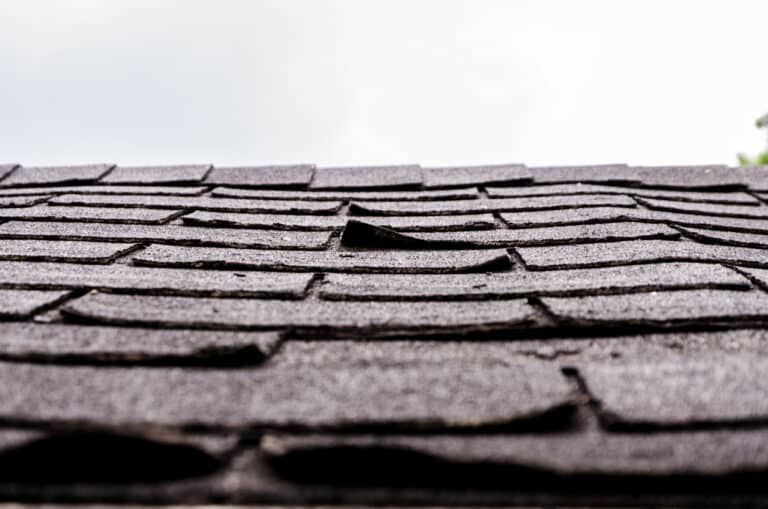
During the day, temperatures on an asphalt roof can reach 150°F. Add in an afternoon “pop-up” thunderstorm, and the temperature drops 50 degrees in minutes, causing thermal shock that warps, cracks, and curls shingles from rapid expansion and contraction.
Granule loss
UV rays also degrade the protective oils that hold your asphalt granules in place. As these wash away, the exposed asphalt becomes brittle and weakened.
Chemical breakdown
Over time, the sun dries out your shingles, making them brittle and prone to snapping or blowing off during minor storms.
Humidity
Humidity works on your shingles from the inside out.
Attic condensation
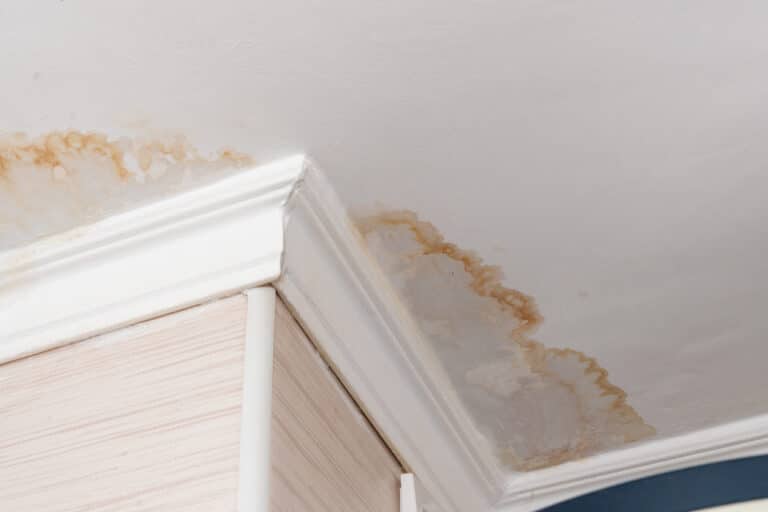
When humid air becomes trapped in your attic due to poor ventilation, it reaches the cooler underside of your roof, causing condensation that can lead to wood rot and structural damage.
Adhesive failure
Continuous moisture in your attic’s air can weaken sealants and adhesives around vents, chimneys, and other areas, leading to leaks during the next storm.
Algae and Other Organic Growth
Dark vertical streaks on your roof are Gloeocapsa magma, a hardy type of blue-green algae that thrives in South Carolina’s heat.
Moisture
When algae and moss grow on your roof, they act like a sponge, holding water against the shingles and causing decay of the shingle’s organic mat.
Shingles often contain limestone, which acts as a feeder for algae growth, gradually eating away at your roof’s protection.
Thunderstorms
High winds can lift brittle shingles, causing them to peel back and expose the roof to heavy rain during a storm.
Gutters can also become overwhelmed during heavy storms, making them prone to clogs and water backing up under the eaves, which can lead to fascia rot and interior water damage.
Protective Steps for Your Roof
1. Ventilation: Your attic should have a balanced intake and exhaust system to keep air flowing in your attic to combat the damaging effects of high heat and humidity.
2. Regular roof inspections: A professional once-over several times a year and after a major storm can find weaknesses that require roof repairs before they become major issues.
This is one of the most important steps you can take to protect your roof’s integrity, and at Southern National Roofing, we provide free inspections.
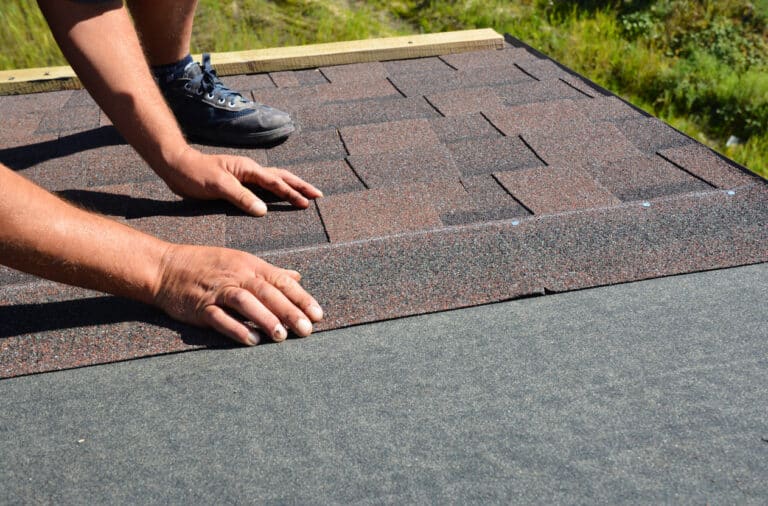
3. Preventative maintenance: Always address weaknesses and issues immediately to keep your roof in optimal condition.
Things like replacing brittle or curling shingles, cleaning gutters to ensure water flows away from your roof, and checking all seals and flashing are just a few preventative steps you can take that go a long way in protecting your roof.
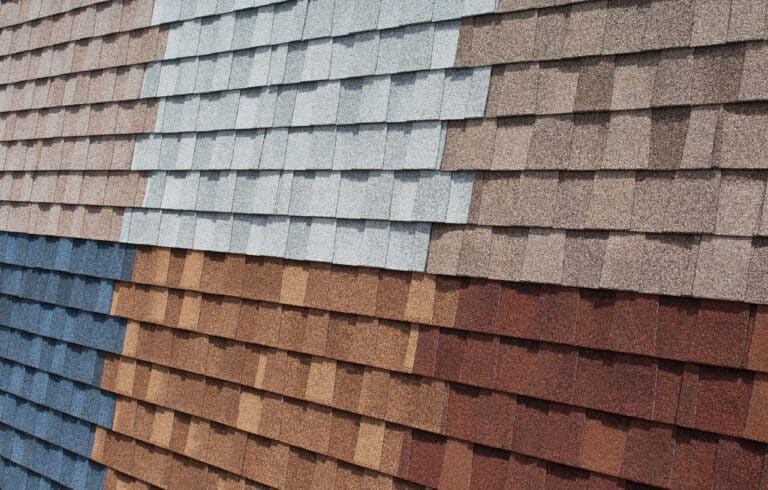
4. If you are nearing a roof replacement, consider a “cool roof” that uses reflective shingles to reflect UV rays instead of absorbing them or algae-resistant shingles that are treated to inhibit algae growth.
The main point to remember is that being proactive about your roof in Columbia, SC, during heat, humidity, and storms is the best way to ensure it lasts as long as possible.
Southern National Roofing offers free inspections to keep your roof safe and damage-free.