Coastal salt, tropical humidity, and intense sun are the three main factors that pose challenges for your roof if you live in South Carolina.
Understanding what causes most roof leaks and how to address them will help you navigate any SC weather.
The most common causes of roof leaks
Storm damage
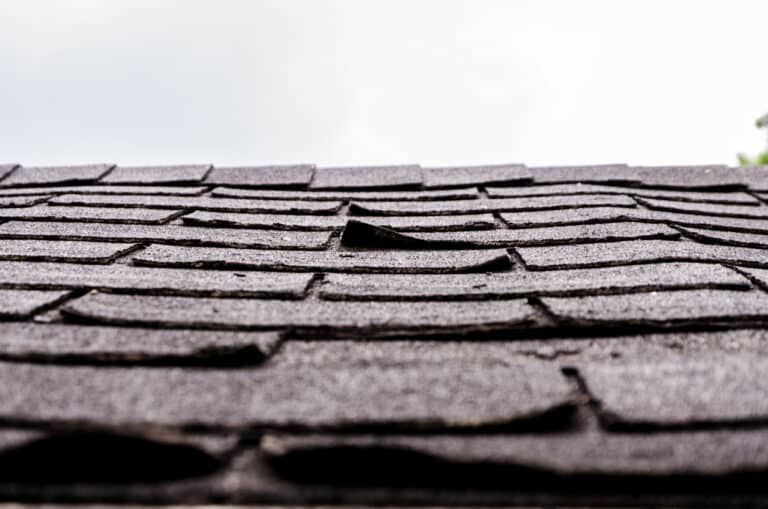
Storm damage is a big issue. Hurricanes and tropical storms create “wind uplift” that peels shingles back from their edges.
Once a shingle has lifted, even if it returns to a flat shape, the seal is broken, allowing rain to penetrate the roof’s underlayment.
Wind-driven rain is another factor. Heavy thunderstorms and hurricanes move water horizontally, forcing it into attic vents and under shingles. Normal rain doesn’t cause this, but storms with strong winds do.
Hail is another hazard that is common during spring. When hail falls, it causes bruising to your asphalt shingles.
This bruising removes some of the protective granules, exposing parts of your shingles to the sun, causing cracks and leaks.
UV damage and thermal shock
South Carolina’s strong sun can weaken roofing adhesives, making shingles brittle as UV rays bake the oils out of them.
Without proper oils, your shingles age quickly and often crack from the thermal shock caused by rapid expansion and contraction during hot days followed by cool nights or thunderstorms.
Another issue is dried-out sealants. The caulking around the rubber boots surrounding plumbing vents is usually the first to fail.
In SC’s heat, the rubber components also dry out and crack within 7-10 years, long before your shingles fail.
Humidity
The intense humidity in SC creates the perfect environment for algae and moss growth. The black streaks you see on roofs are actually blue-green algae.
The problem is that algae retains moisture, which stays against your shingles and can cause rot. Moss is even more harmful because it has roots that can lift shingles and keep the decking underneath constantly damp.
Poor attic ventilation is another issue in humid climates. An unvented attic can turn into a sauna, and as moisture condenses on the underside of your roof, it can cause internal rotting and roof leaks.
Clogged gutters and debris
Pine needles and other debris can accumulate in your roof valleys and gutters.
During heavy rains, this buildup can clog and cause backflow onto your roof, seeping beneath shingles and behind fascia boards, leading to leaks or resulting in gutters pulling away from your house due to the added weight.
Coastal-specific issues
Charleston, Myrtle Beach, and Hilton Head face additional weather-related problems that can cause leaks due to salt-air corrosion.
Salt air corrosion can be harsh on metal flashing and fasteners. Even asphalt shingle roofs with flashing around chimneys are prone to corrosion.
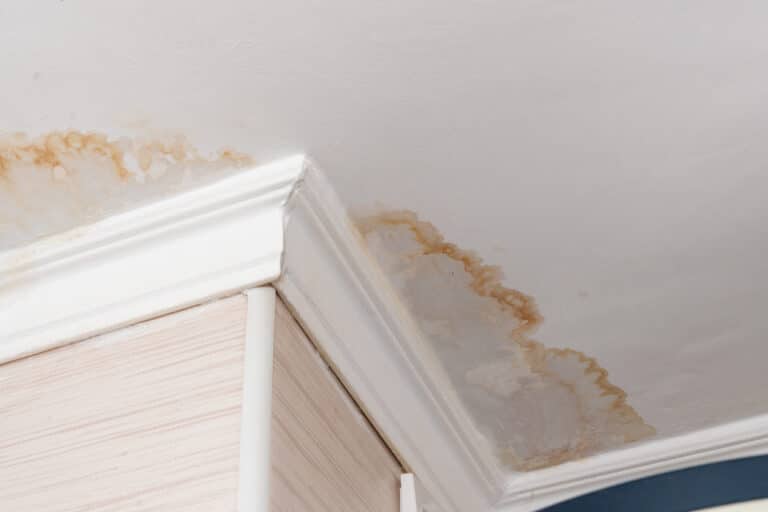
Corrosion leads to pinhole leaks in your roof’s metal parts and is hard to detect until it causes major ceiling damage.
Steps to protect your roof
A regular roof inspection twice a year, and after severe storms and hurricanes, will alert you to any damage so repairs can be addressed immediately.
Schedule roof repairs quickly to prevent serious damage because early action will save you money on repairs later.
Keep your gutters clean and functioning well. Also, regularly check your attic for proper ventilation, potential leaks, and algae growth.
Regularly trim landscaping and trees.
Taking a proactive approach helps protect your roof from some of the harsh weather South Carolina can experience, and Southern National Roofing is here to make that process easier.
We provide complimentary roof inspections so you can stay safe and have peace of mind knowing your home is protected.