South Carolina’s weather is often unpredictable, with significant temperature changes occurring within the same week, which can affect your roof over time.
Dramatic temperature swings cause thermal shock, damaging your shingles and leading to roof failure. This is why a good roof maintenance program is essential.
Understanding Thermal Shock
Asphalt shingles are designed to be flexible, allowing them to expand and contract with temperature changes. This cycle of expansion and contraction can cause thermal shock if temperature fluctuations are severe.
Summer heat
South Carolina’s intense summer sun can easily raise roof temperatures above 150°F. As this heat bakes your roof, the shingles expand as they absorb it.
Winter
When it gets cold, the opposite happens, and your shingles contract.
Fluctuation
The biggest risk that requires roof repairs is the swing caused by rapid temperature changes common in South Carolina.
An 80°F afternoon followed by a sudden cold front that drops temperatures into the 30s will cause shingles to shrink faster than they were designed to, leading to brittle tension.
The Damage Caused by Temperature Swings
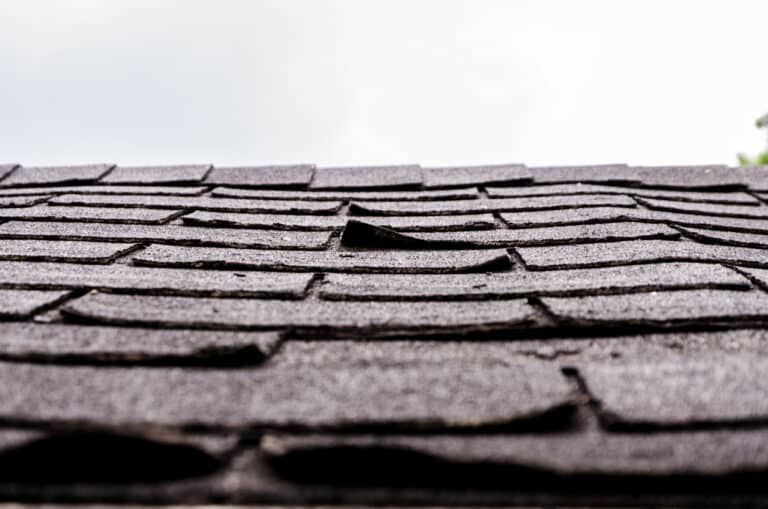
The continual expansion and contraction of your shingles over multiple seasons will eventually cause them to lose their elasticity. This deterioration results in issues such as:
Cracking and Granule Loss
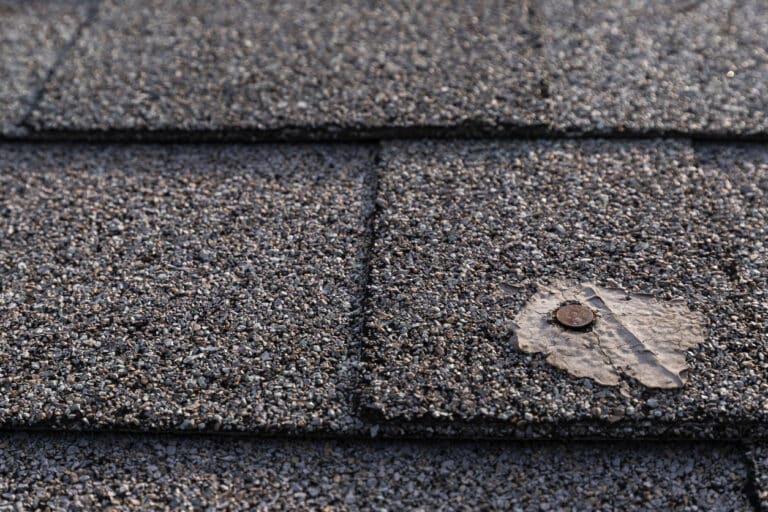
Thermal cracks develop in brittle shingles. These cracks weaken the waterproof seal, and once they form, the protective granules begin to fall off.
As the granules on top of the shingles fall off, the underlying shingle is exposed to UV rays, which speeds up rot.
Water Infiltration
When it rains, water flows over these cracks and seeps beneath the shingle layer. In SC’s climate of high humidity and sudden thunderstorms, water and moisture become trapped against your roof deck.
Granule loss and water infiltration can lead to several problems that can weaken your roof’s long-term structural integrity. Here are some of the main issues:
- Deck rot: The plywood or OSB sheathing beneath your shingles begins to soften and weaken.
- Mold and mildew: Moisture buildup in your attic provides a perfect environment for mold and mildew to grow, which can negatively affect your home’s air quality.
- Insulation: Wet insulation from water leaks reduces its R-value, causing it to fail at its job. As a result, your HVAC system has to work harder, which raises your energy bills.
The Importance of Regular Roof Inspections
In the beginning stages of the effects of expansion and contraction, tiny cracks can be impossible to see from the ground.
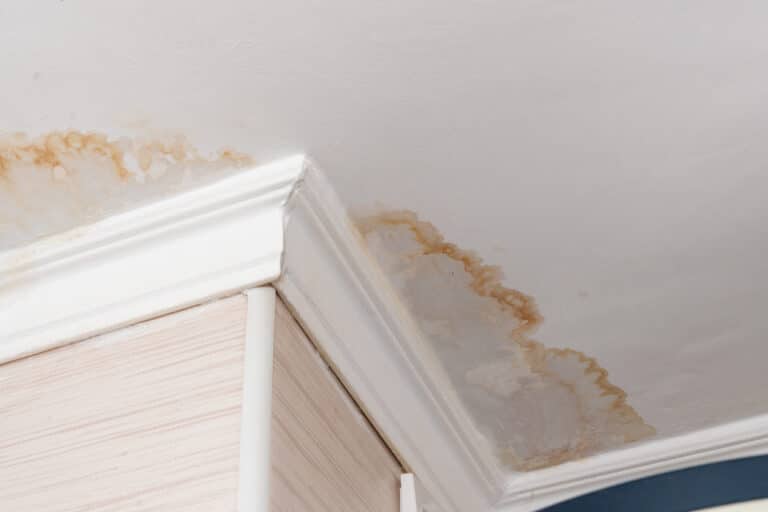
These cracks mark the start of long-term structural problems. When you notice water stains on your ceilings, it indicates that your roof decking has been damp and wet for months.
This is why annual roof inspections should be a key part of your maintenance plan.
If SC experiences a particularly unpredictable year for temperature and weather fluctuations, a good rule of thumb is to schedule roof inspections in spring and fall to keep your roof in top condition.
South Carolina poses challenges for your roof due to its high humidity and rapid temperature changes, but with proper maintenance, you can safeguard your most valuable investment.
Don’t let thermal shock create the perfect environment for cracks and damage that could compromise the structural integrity of your home.
Be prepared for the next big storm, summer humidity, or rapidly cooling temperatures by staying ahead of potential damage.
Southern National Roofing simplifies the process with free roof inspections and a commitment to providing superior materials and dependable service to our customers.
Schedule your free inspection today to get ready for the upcoming spring and summer weather.