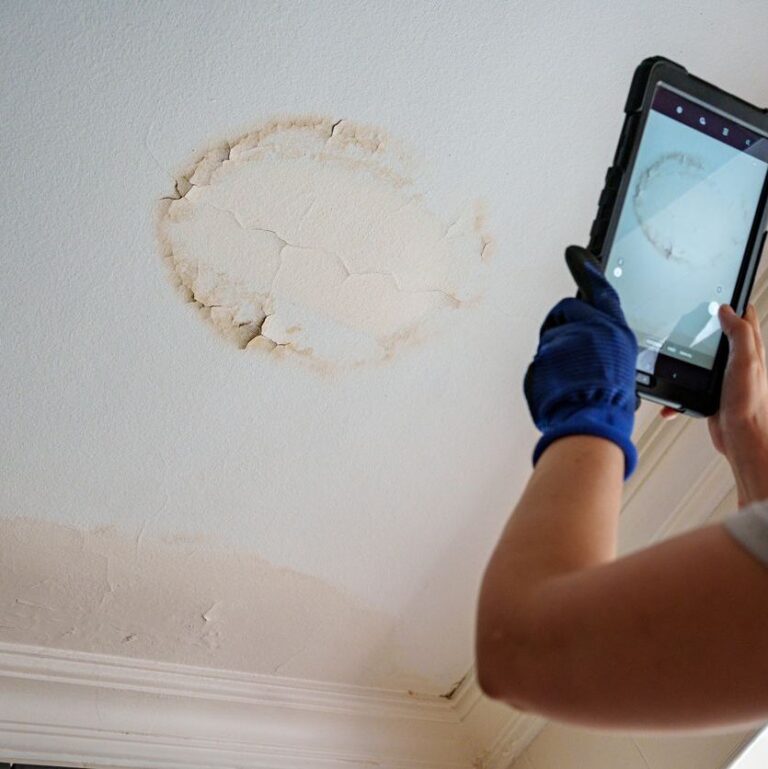
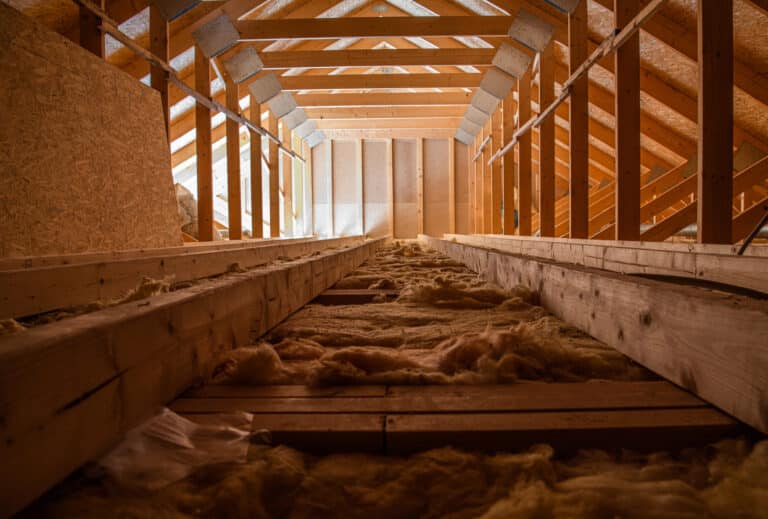
Water damage is one of the most destructive forces you need to prevent to keep your home structurally sound.
This 6-step guide will help you keep your home safe and dry.
1. Gutters
Gutters channel water away from your foundation, preventing it from pooling at the base of your home.
When gutters are clogged, water overflows the channels and pools at the base of your foundation, saturating your exterior walls.
PREVENTION: Clean your gutters at least twice a year. Another good idea is to install gutter guards to permanently keep debris out of your gutters.
Make sure your downspouts extend at least 4 to 6 feet away from your foundation walls
Gutter installation: If your gutters are beyond repair, replace them to prevent water from damaging your foundation, attic, and interior walls.
2. Roof Maintenance
After every major storm, inspect your roof from the ground using binoculars for any visible damage.
PREVENTION: Schedule a professional roof inspection twice a year to ensure everything is in good working order.
Keep tree branches trimmed 6 to 10 feet back from your roofline to prevent branches and leaves from accumulating on your roof.
3. Flashing
Flashing is thin metal installed where your roof meets vertical surfaces such as your chimney, vents, pipes, or walls.
PREVENTION: Flashing is one of the main causes of leaks, so check it for rust, gaps, or lifting. Never use a quick fix; if you find damage, leave it to a professional to repair it to ensure a watertight seal.
4. Windows
Windows can hide signs of water damage if the seal around the window frame fails or the glazing on the glass no longer works. Any of these issues can allow water to penetrate the wall cavity, leading to wood rot.
PREVENTION: Each year, check all the windows in your home. Make sure the caulking is in good condition. If you see cracking, peeling, or missing caulk, remove it and apply a new bead with exterior-grade silicone sealant.
Also, check your window sills for soft spots or peeling paint, which can be early signs of water intrusion behind your siding.
5. Drainage
Your roof can be in perfect shape, yet you can still experience water damage if you aren’t properly managing the groundwater around your home.
The earth around your home should be graded to the proper slope so that water drains away from your home.
PREVENTION: If you see water pooling around your foundation or notice mud staying wet for days after a rain, have a landscaper regrade that area to slope away from your home.
Keep mulch at least 6 inches below your home’s siding to eliminate additional moisture buildup.
6. Regular inspections
Perform a seasonal check of your entire home to identify any potential problems that need to be addressed as part of a good maintenance plan.
Southern National Roofing offers free inspections to help you prevent potential water damage and keep your home safe from water intrusion.