The color of your roof is more than an aesthetic choice. It plays a critical role in your home’s energy efficiency and in the lifespan of your roofing materials.
To understand how roof color affects your home, this article explains how your material choices can influence your heating and cooling bills and your roof’s longevity.
Light vs Dark Shingles
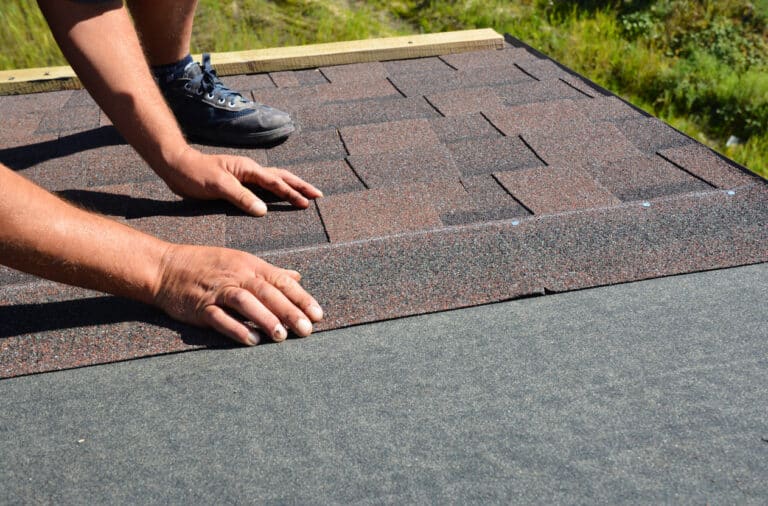
Dark shingles: Black, charcoal, and dark brown shingles absorb 80% to 90% of solar radiation. As a result, they can heat up to 150 degrees or higher, depending on your climate.
Light-colored shingles: White, light gray, and tan absorb less solar radiation under the same conditions, staying up to 50 degrees cooler than a dark roof.
From a heat absorption standpoint, your roof color can significantly affect how much heat enters your living spaces.
Understanding Heat Absorption Ratings and Energy Efficiency
When evaluating roof colors for energy efficiency, three metrics are considered: solar reflectance, thermal emittance, and solar reflectance index.
1. Solar Reflectance (SR) is the fraction of solar energy reflected by the roof’s surface, measured on a scale from 0 to 1 (0% to 100%).
Standard dark asphalt shingles have an SR of 0.05 to 0.15, whereas reflective, light colored shingles are 0.25 to 0.65+.
This rating measures how much heat your roof absorbs or reflects, based on your roof’s color.
2. Thermal Emittance (TE) is the ability of the material to release the absorbed heat back into the atmosphere rather than pushing it downward into your home.
3. Solar Reflectance Index (SRI) is a combined metric of the two and ranges from 0 to 100+. The higher the SRI number, the cooler your roof will stay under sunny conditions.
A recent innovation in roofing materials is asphalt shingles called “Cool shingles.” They use a special granule coating that reflects infrared light, creating dark shingles with a high degree of solar reflectance for better energy efficiency.
Attic Temperatures and Energy Efficiency
When your roofing material absorbs heat, it penetrates the roof decking and moves into your attic.
For example, if you have a dark roof, the heat it absorbs will raise attic temperatures above 150 degrees.
This, in turn, creates a thermal barrier that moves down through the ceiling insulation and into your living spaces.
The impact of this absorbed heat:
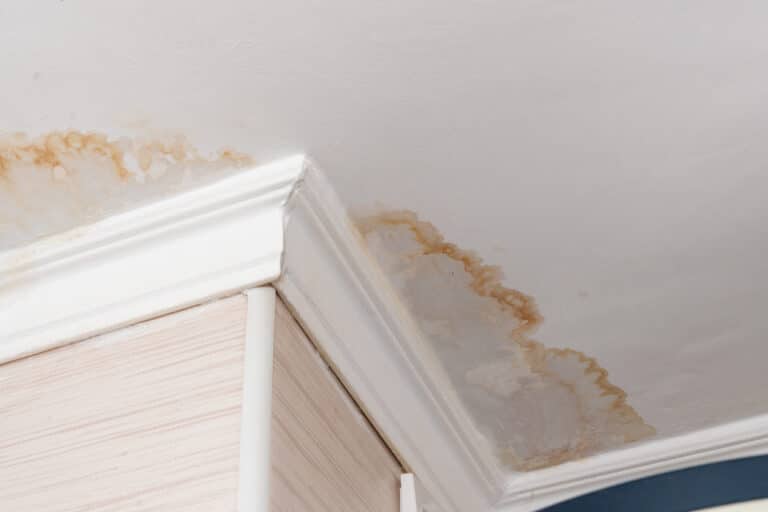
- The added heat increases the workload on your HVAC unit. Using reflective roofing can lower attic temperatures by 20 to 40 degrees, cutting your HVAC costs by 10 to 15% during the hot summer months.
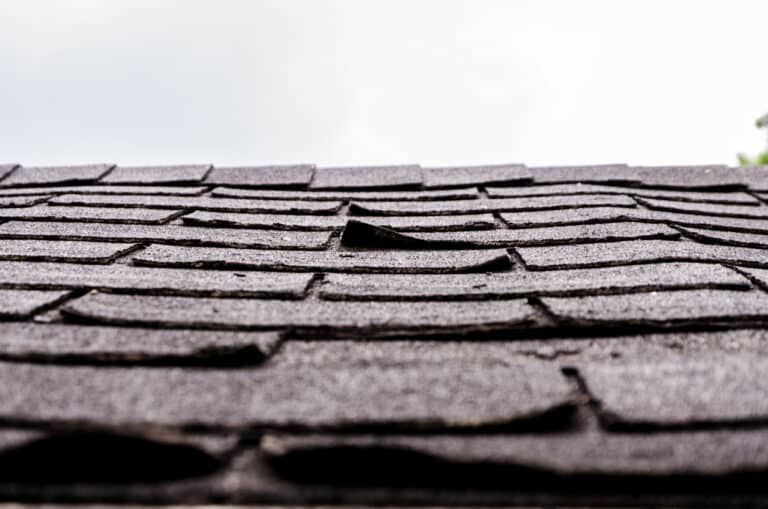
- Decreased roof lifespan: Thermal shock from excessive heat absorption causes constant expansion and contraction that degrades shingles over time.
Climate
If you live in a hot, sunny climate, it makes sense to choose a roofing material that is light-colored and reflective to maximize your energy efficiency and save on utility bills.
To maximize longevity and save on utility bills, Southern National Roofing can help you choose the right materials for your budget and climate.