A good maintenance schedule safeguards one of the most valuable assets in your portfolio, but one area that is often overlooked is the roof.
You can install the best roofing for durability, but if you don’t maintain it against the elements, it will not be enough to ensure the longevity of your home.
Understanding how wind, rain, sun, and snow impact even the longest-lasting roofing materials is the key to a long-lasting roof.
The Elements
Sun
The sun degrades your roof by promoting UV radiation and thermal cycling.
UV radiation is an invisible force that breaks down the chemical bonds of your roofing materials over time.
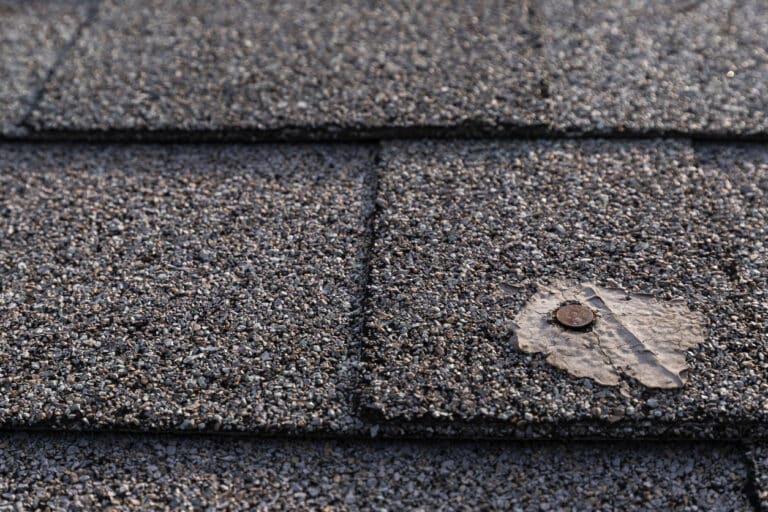
It causes drying and brittle shingles by drying out the essential oils in the shingles. It also leads to granule and pigment loss and facilitates bleaching.
UV radiation also degrades cedar shake shingles, causing them to dry out, leading to splitting or warping. Metal roofs are vulnerable because they break down the protective coating.
Thermal Cycling is the constant expanding and contracting of your roof during a 24-hour cycle. This continuous movement stresses your roofing system, putting strain on seams, joints, and fasteners.
It also causes cracking and warping of shingles, and sealants can become brittle and lose their ability to seal openings.
Rain
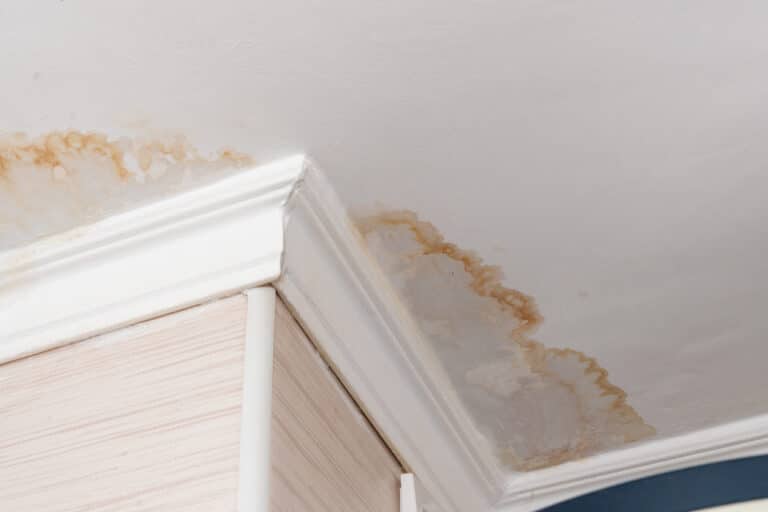
Rain causes a gradual breakdown of your roofing materials that leads to leaks, mold, mildew, and rot.
A well-designed roof’s primary function is to shed water easily, but over time, even the best roof will begin to deteriorate due to aging and damage.
Rain causes granule erosion and loss. Water pools on flat parts of your roof after a heavy rain, and structural damage occurs when it begins to soak the underlying materials, like your roof deck and insulation.
Acid rain, prevalent in areas of high air pollution, can accelerate the breakdown of roofing materials. The acids wear down the protective coatings on metal roofs and cause granule loss on asphalt shingle roofs.
Gutters, downspouts, and flashing should also be regularly maintained and inspected to keep them at full operational capacity.
Wind
The two key areas of concern with wind are uplift and physical impact. The biggest threat is wind uplift. As wind flows over your roof, it creates a decrease in air pressure.
Simultaneously, if air enters the home, it exerts upward pressure on the underside of the roof. This negative pressure creates a powerful suction that pulls on the roof’s components.
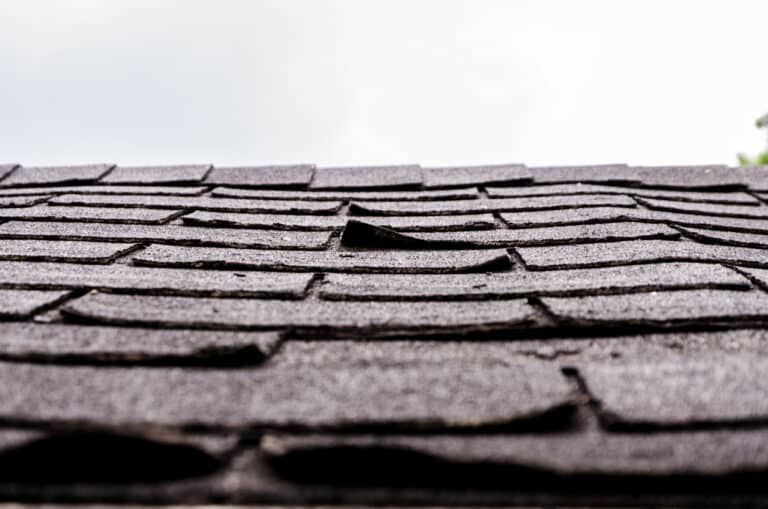
The most vulnerable areas: Edges and corners. This is why you often will see shingles and flashing begin to lift at those spots first. Over time, wind continues to flap at the shingles and joints until they break or detach.
Physical impact is another issue caused by strong direct wind pressure, which can rip away roofing materials or bend flashing.
The other is debris carried by the wind that, in an intense storm, can become projectiles, causing roof damage and holes.
Snow
The weight of snow causes stress on your roof’s ability to carry loads. It also puts stress on your structure.
Ice dams are another common cause of roof leaks and damage. As ice dams build up, water pools behind them, causing leaks and roof damage.
All types of weather can produce roof damage, but the best plan of action is prevention by scheduling regular inspections to reduce weather damage and address any areas of concern.
If you do notice signs that you need a new roof, Southern National Roofing has extensive experience with durable materials and offers the longest-lasting options for your budget.