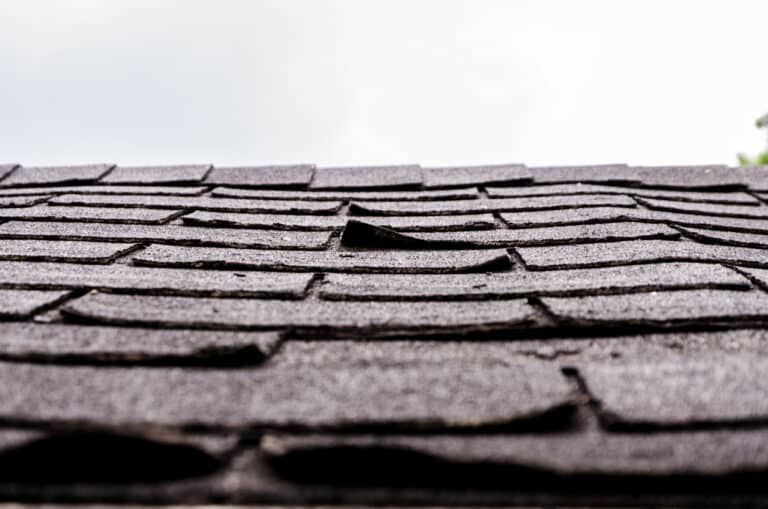
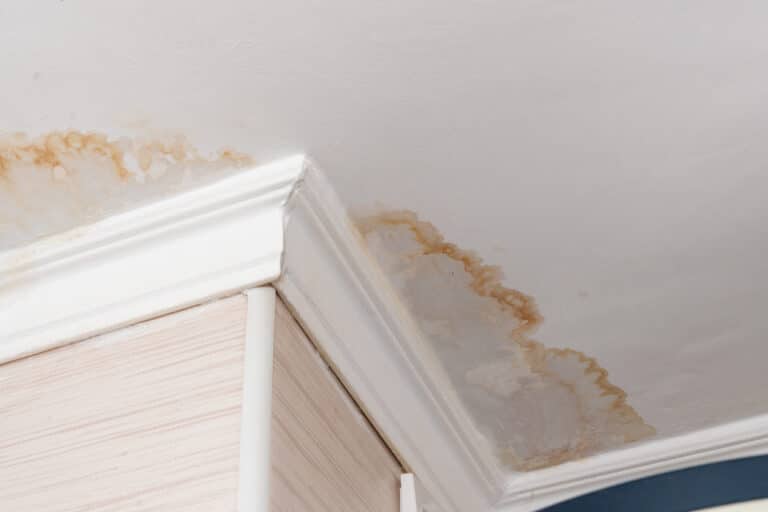
Your roof underlayment is a critical component of your roofing system. It serves as the primary waterproof barrier, applied directly to your roof deck before your roofing materials are installed.
The Purpose of Your Roof Underlayment
Roofing materials are designed to shed rain and snow, but your roof’s underlayment serves as your secondary line of defense against water intrusion.
Underlayment shields your roof’s wood frame from moisture, protecting your home’s structure.
Key functions:
- Secondary water barrier.
- Weather protection during construction.
- Resin protection: Resins from plywood/OSB roof decking can leach under extreme heat. Underlayment protects your primary roofing material from the harmful effects of these chemicals.
- Creates fire resistance and code compliance.
Underlayment Material Types
Asphalt-saturated felt: This traditional option consists of an organic paper base soaked in asphalt. It is a cost-effective alternative for asphalt shingle installation. The downside is that it is prone to tearing in high winds.
Synthetic underlayment: Made from woven polyethylene or polypropylene. It is extremely durable, tear-resistant, lightweight, and highly water-resistant. Ideal for modern shingle, metal, or tile roof installations.
Rubberized asphalt: This material is asphalt with rubber polymers, applied with an adhesive backing. A great feature is that it self-seals around nails, is 100% waterproof, and is easy to apply. It is highly effective at protecting roof valleys, eaves, and low-sloped roofs.
Understanding How Each Type Protects Against Moisture
Each type of underlayment handles moisture differently, so it is important to understand your options before selecting a specific material.
1. Rubberized, peel-and-stick asphalt underlayment: Effectiveness rating of 10/10. This provides maximum water protection because of its self-sealing action.
Unlike laid-flat sheets of underlayment material, this adheres directly to the wooden roof decking, sealing it without gaps to prevent water intrusion.
Also, when a nail punctures the sheet, the rubberized membrane automatically flows around the nail to form a tight, leak-proof seal.
As a barrier, it works for standing water, ice dams, and wind-driven rain to create a watertight seal.
2. Synthetic underlayment: This has a water-resistance rating of 8.5/10. This material is made from polyethylene or polypropylene, so it is non-absorbent. Water beads up and runs off.
It is also wrinkle- and rot-resistant, doesn’t tear easily, and is water-resistant but not completely waterproof because it doesn’t self-seal around nails.
3. Asphalt-saturated felt, or tar paper: Effectiveness rating of 5.5/10. This traditional material offers basic protection.
It is made of cellulose paper fibers soaked in asphalt to repel water during brief rain exposure. The organic paper fibers swell, which can temporarily close tight gaps around staples or nails.
The limitation is that it readily absorbs standing water, leading to rot, wrinkling, and tearing over time. High winds and extreme heat dry it out, reducing its moisture resistance.
Before your next roof replacement or new construction, don’t skimp on your underlayment choice. The right material can dramatically increase your roof’s water resistance, maximizing longevity.
Southern National Roofing is here to help you make the right choice for your budget.