A good roof maintenance plan is the secret to getting ahead of a potential problem. It can save you thousands of dollars in the long run.
Scheduling regular roof inspections can catch minor problems early before they become major issues. That’s why taking prompt action is so important.
Signs of Potential Damage. What to look for:
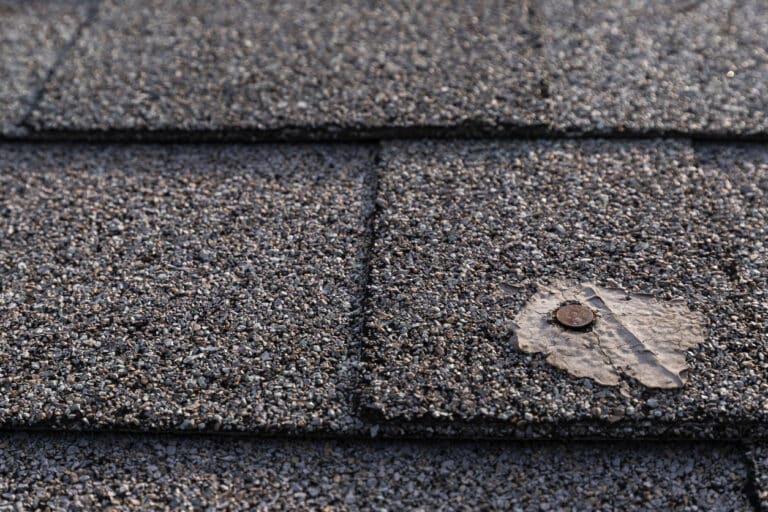
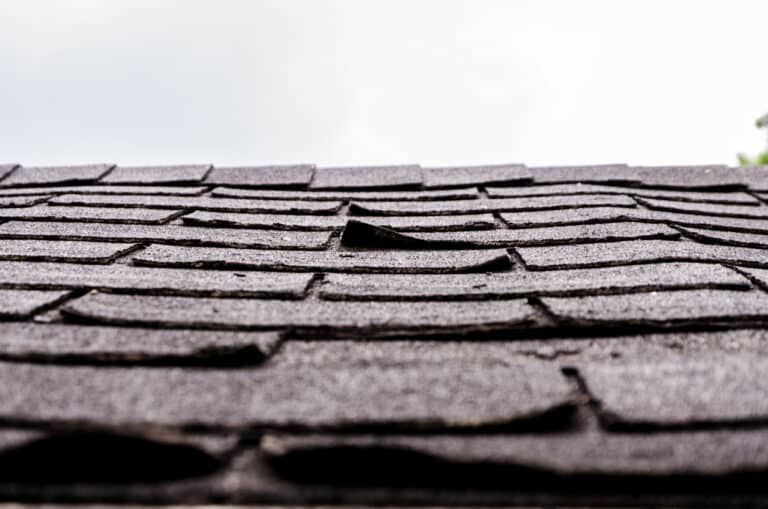
- Missing, cracked, or damaged shingles or granule loss
- Damaged joints or flashing
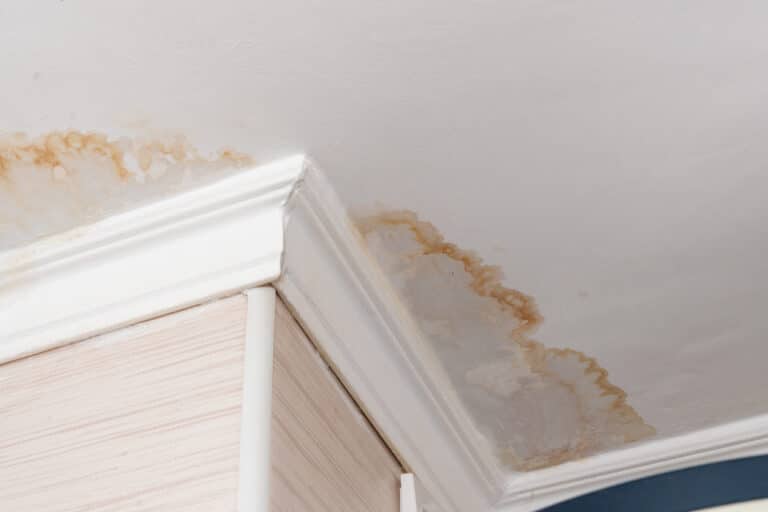
- Leaks
- Holes caused by flying debris
- Missing fasteners
- Wear and tear
- Deformed edges
- Algae or moss stains
- Sagging
- Ridge vent damage
At Southern National Roofing, our free inspections can spot potential roof repairs that can be economically fixed before they turn into expensive repairs or a total roof replacement.
Timely action is important. Repairing damage at the first sign of a problem is the best way to extend the life of your roof.
The Cost-Benefit of Timely Repairs
Getting maximum longevity from your roof can lower your “cost per year” of owning it. This is why timely repairs matter.
1. Longer lifespan: For example, if you spent $15,000 on a new roof, it costs $600 per year if your roof has a 25-year lifespan.
But if you don’t keep up with regular maintenance and minor repairs, and your roof fails in 15 years, you’ve just raised your annual cost from $600 to $1,000.
By not repairing minor damage, you’ve wasted $6000 of your roof’s potential value and shortened its lifespan.
2. Compounding damage: What starts as a minor issue always compounds if neglected.
For example, a missing shingle leads to a leak, which in turn leads to wood rot, which ultimately leads to structural failure.
Replacing a few missing shingles or flashing might cost $200-$400, but if you wait, the damage can worsen, leading to repairs that include carpentry and drywall work, which can cost $3000-$5000.
A small price to pay to avoid significant repair bills down the line.
3. Energy savings: Small roof leaks often saturate your insulation before reaching your ceiling. This causes the insulation to clump and lose its effectiveness.
With compromised insulation, your HVAC system has to work harder, leading to higher monthly utility bills.
4. Insurance ramifications: Homeowner’s insurance covers “sudden and accidental” damage like severe storms, hurricanes, and tornadoes, but if an inspection shows rot or damage that was happening over the past few years, they may deny the claim entirely.
Document all your maintenance to protect yourself.
A Total Roof Maintenance Plan
Attic: Inspect the underside of the roof sheathing, looking for dark spots or stains. Also, look for sagging decking, which is the plywood on your roof; if it’s sagging, warped, or rotting, it needs attention. And finally, check all vents that they are working correctly.
Shingles: If you see cracking, curling, or creasing, they need to be replaced. Also, look for bald spots, as this indicates they are shedding and nearing the end of their life. Finally, check for mold, moss, and algae growth, which can indicate moisture buildup.
Weak points: Pipe boots are the #1 cause of leaks. These are the rubber seals around pipes and vents on your roof. If the rubber is cracked, rotted, or missing, water can easily enter your home.
Chimney and step flashing: Ensure everything is sealed and in good condition. Making sure your sealants are all intact is vital for waterproofing.
Timely repairs and proper roof maintenance can safeguard and prolong its lifespan. We’re here to simplify the process with our free roof inspection at Southern National Roofing.